Uneven Floors? Design With Them, Not Against Them
Older homes and converted spaces often have floors that slope, dip, or vary in height. These design strategies turn a structural quirk into character.
$$
查看改造效果
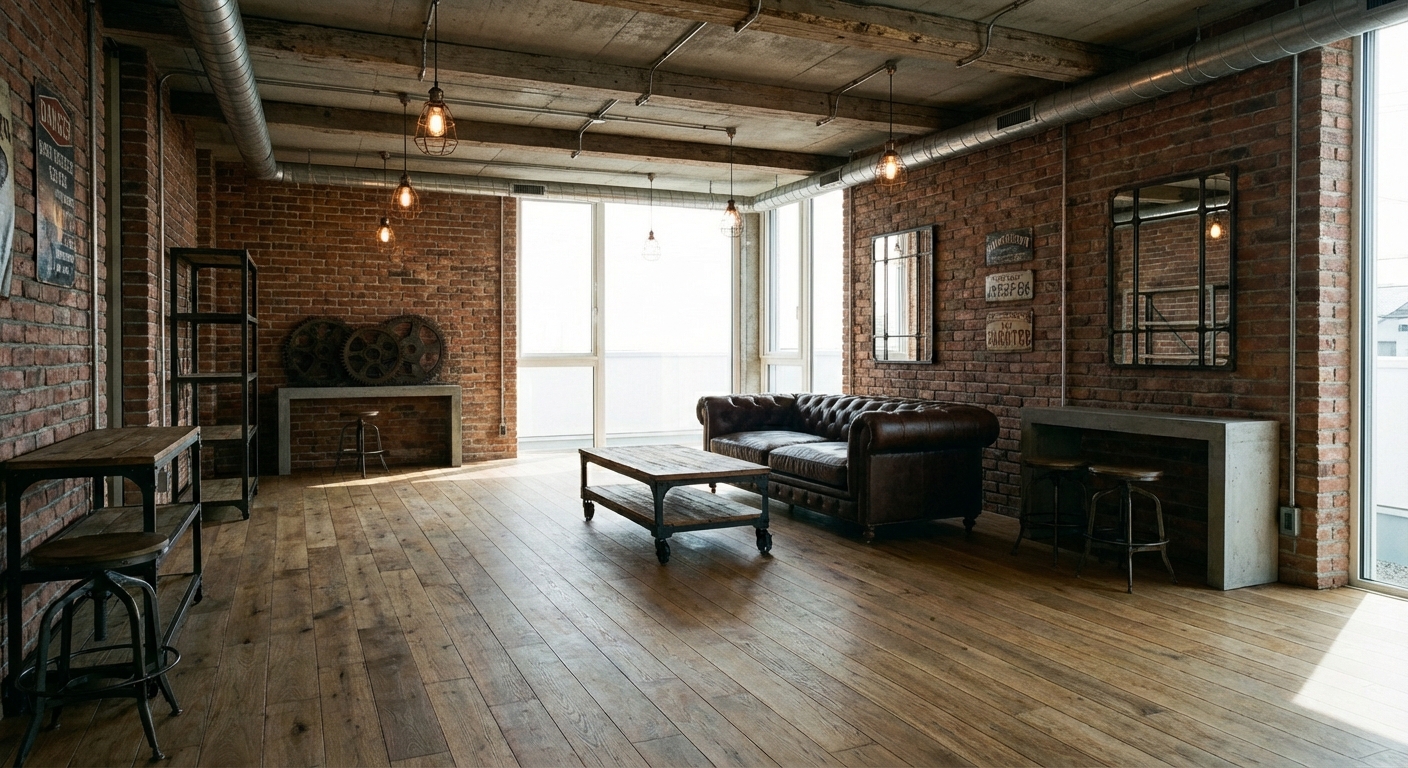
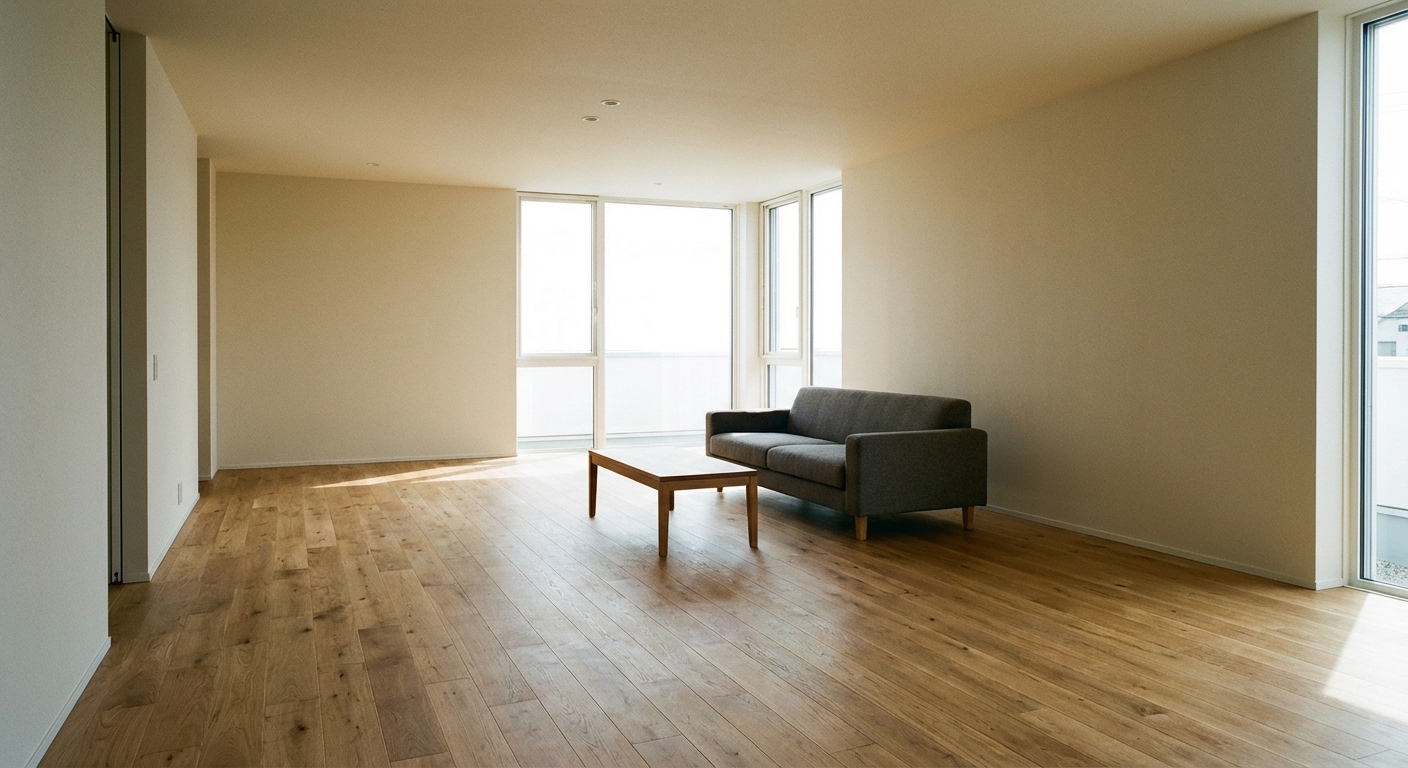
在应用中上传您的房间照片,查看真实的改造效果
色彩搭配
为什么有效
Uneven floors become a problem only when the design fights them. Wobbly furniture on a sloped floor looks like a mistake; a thick layered rug on the same floor looks intentional and adds charm. The Japanese concept of wabi-sabi — finding beauty in imperfection — applies perfectly here. Embracing the character of old floors rather than hiding them shifts perception from "this room has a flaw" to "this room has history." Design strategies that acknowledge unevenness and compensate subtly create rooms that feel authentic rather than compromised.
如何实现这种风格
- 1
Identify the worst uneven areas with a level tool
- 2
Place thick area rugs with dense pads over the most uneven zones
- 3
Use furniture with adjustable legs or add felt leveling pads
- 4
Draw attention upward with dramatic wall art or lighting
- 5
Avoid long, low furniture that accentuates floor slope
- 6
Consider self-leveling compound for severely uneven areas before decorating
A thick wool rug with a quality pad underneath masks minor floor unevenness better than any other quick fix.
用 AI 试试
Layoutly AI lets you preview how different rug placements, furniture arrangements, and flooring treatments look in your room with uneven floors. Upload a photo and test approaches that embrace your floor character while keeping the room polished and intentional.
常见问题
Should I fix uneven floors or design around them?
Minor slopes and character imperfections can be designed around and even celebrated. However, if floors are severely uneven (more than 1 inch over 8 feet), or if doors do not close properly, structural leveling may be necessary for safety and function.
How do I keep furniture from wobbling on uneven floors?
Adhesive furniture leveling pads are the simplest fix — they come in various thicknesses and are invisible once applied. For tables, adjustable-leg furniture is ideal. Thick area rugs also help by softening minor unevenness.
What rugs work best on uneven floors?
Thick, plush rugs with a dense pad underneath are ideal because they conform to minor unevenness and create a visually flat surface. Avoid thin, flat-weave rugs that telegraph every bump and slope underneath.