How to Style Open Shelving That Looks Curated, Not Cluttered
Open shelving is beautiful when styled well and disastrous when not. These rules for grouping, spacing, and editing turn any shelf into a design feature.
$
查看改造效果
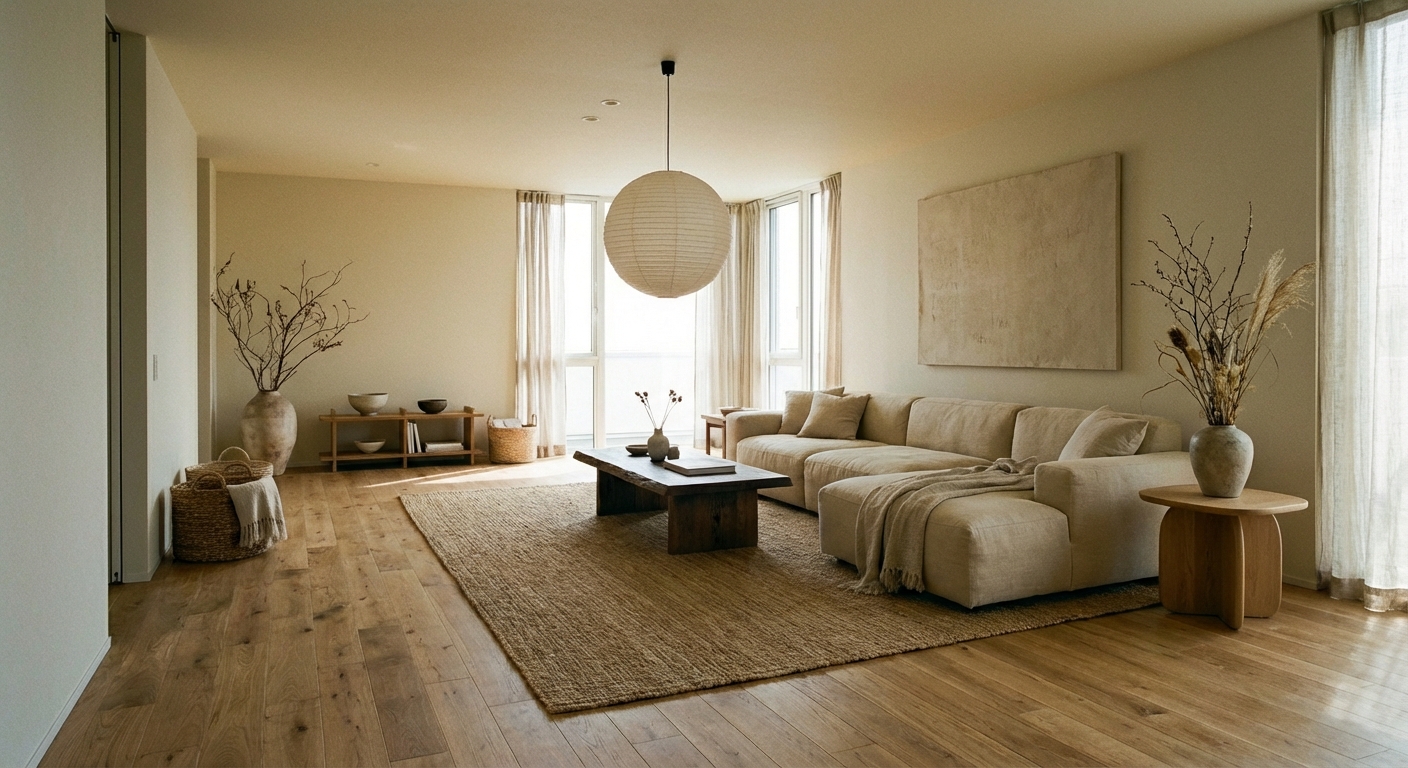
在应用中上传您的房间照片,查看真实的改造效果
色彩搭配
为什么有效
Open shelving styled well creates a curated, gallery-like display that adds personality and visual interest to any room. The difference between styled and cluttered shelves comes down to three principles: grouping (objects in clusters of three), layering (placing items at varying depths), and negative space (leaving 30-40% of the shelf empty). The eye needs resting points between groupings to read the display as intentional rather than overloaded.
如何实现这种风格
- 1
Remove everything from the shelves and start with a clean slate
- 2
Group objects in odd numbers — threes and fives work best
- 3
Vary heights within each grouping using stacked books as risers
- 4
Leave 30-40% of each shelf empty for breathing room
- 5
Stick to a limited color palette — three colors maximum
- 6
Mix materials — ceramic, wood, metal, and one organic element like a plant
Style shelves by creating a triangle on each shelf — tall item on one side, medium in the middle, small on the other. Then leave empty space.
用 AI 试试
Layoutly AI lets you preview different shelf styling approaches in your actual space. Upload a photo of your empty or cluttered shelves and test grouping arrangements, object placements, and spacing strategies before touching a single item.
常见问题
How much empty space should open shelves have?
Leave 30-40% of each shelf empty. Negative space is what makes the objects on the shelf stand out. A shelf filled to 100% looks like storage; a shelf at 60-70% capacity looks like a display.
What should I put on open shelves in a kitchen?
Everyday dishes in a cohesive color (white is safest), a few cookbooks, a small plant, and one or two decorative objects. Keep only items you use daily or love looking at. Store everything else in closed cabinets.
How do I keep open shelving from looking messy?
Use a limited color palette (two to three colors maximum), group items in odd numbers, vary heights within each group, and edit ruthlessly. The rule of thumb: if adding one more item does not improve the shelf, remove it.