Monochrome Beige — The Art of Tone-on-Tone Serenity
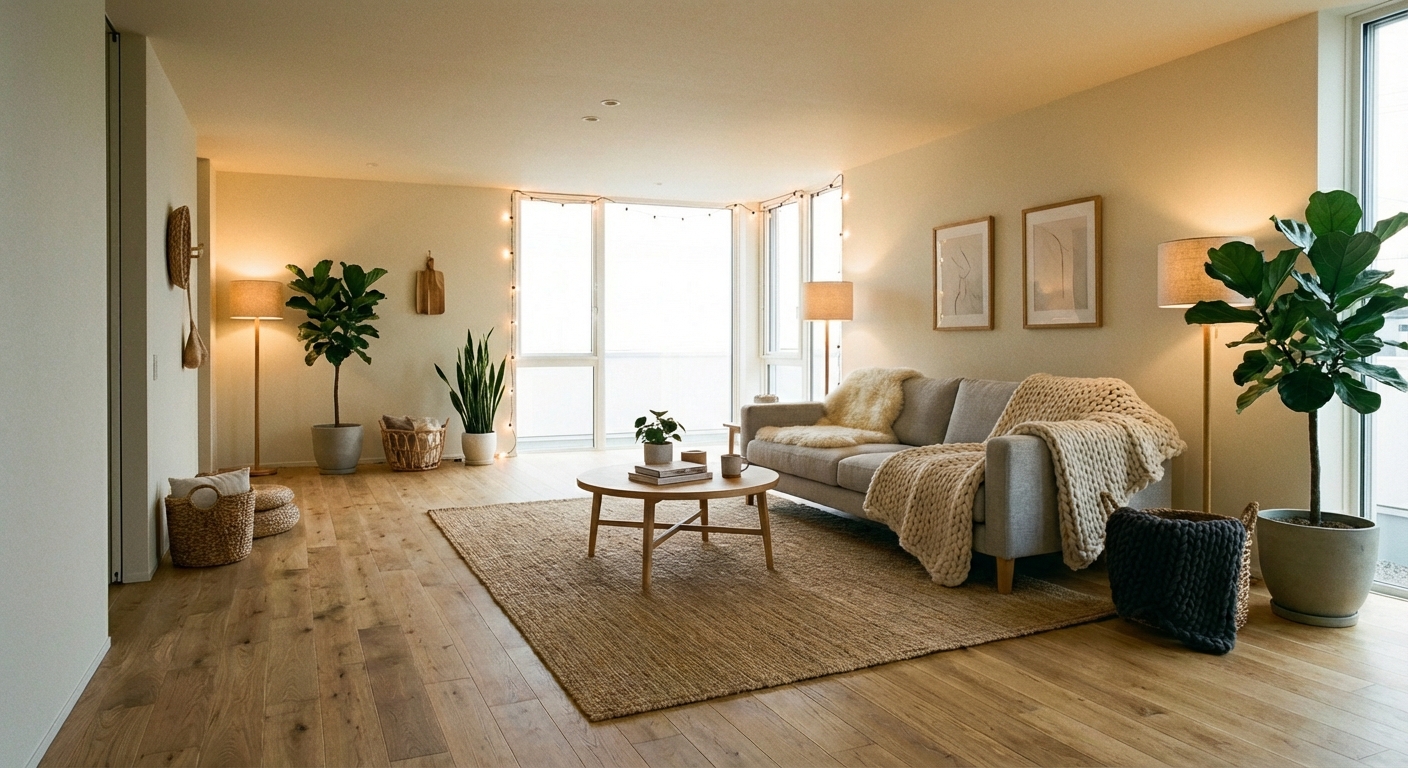
One color family, infinite tonal variation. The monochrome beige palette creates rooms that feel calm, layered, and deeply luxurious through texture rather than color.
$
Xem Sự Biến Đổi
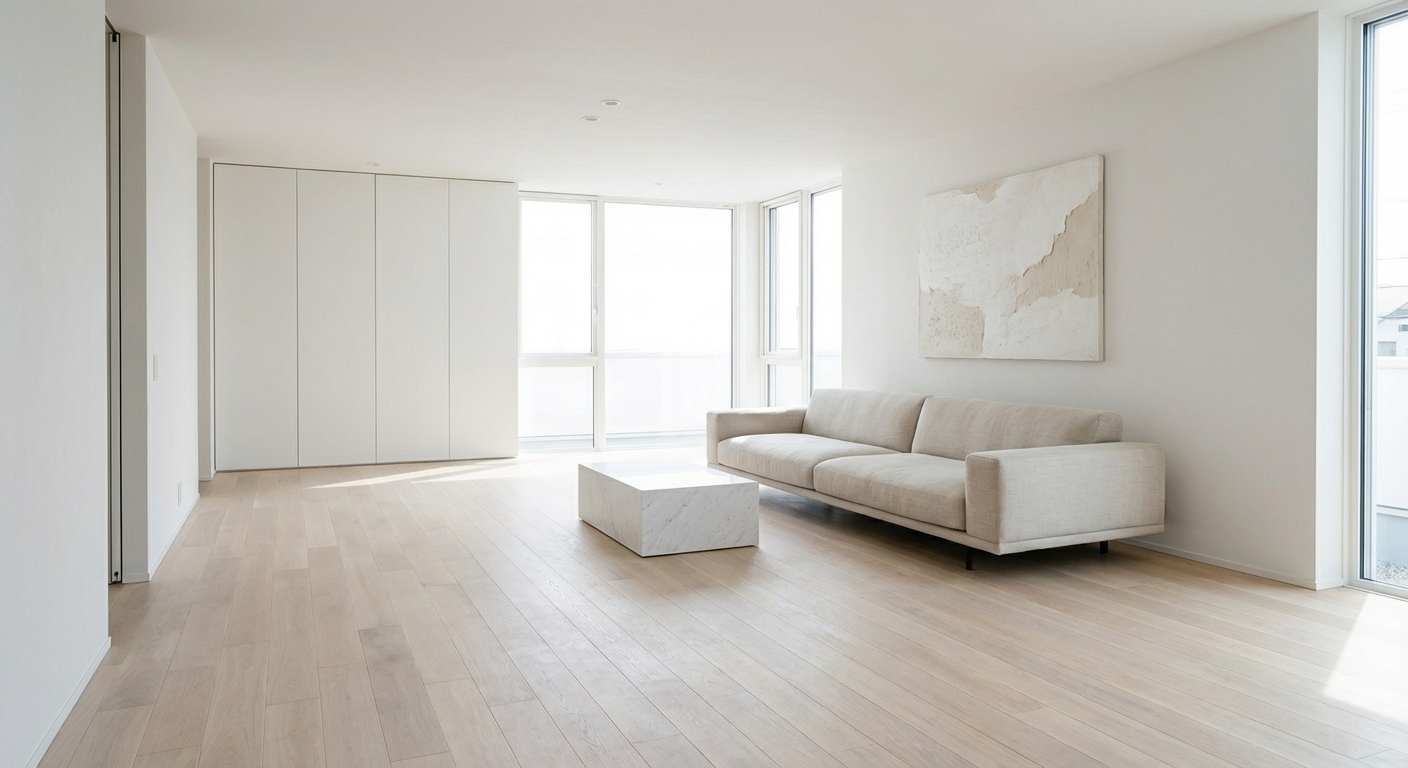
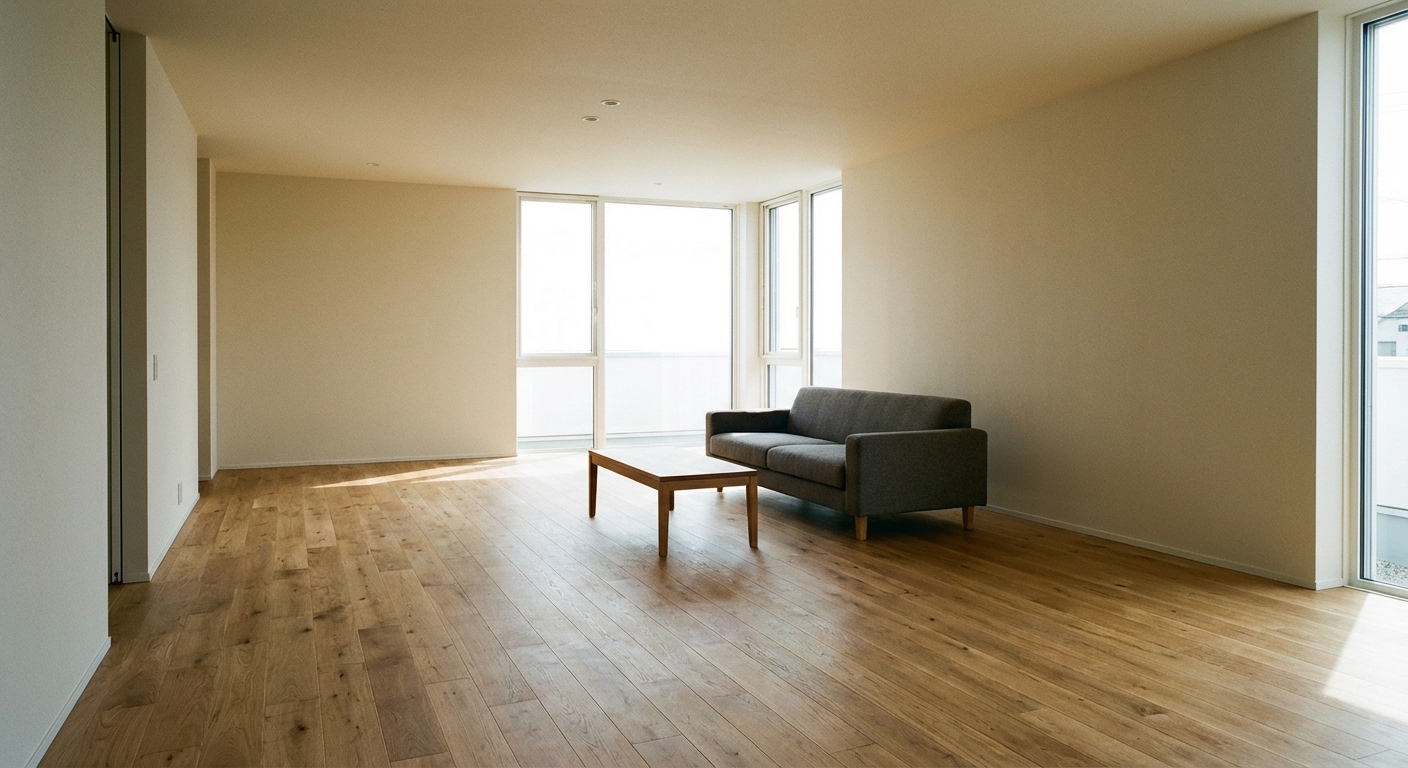
Tải ảnh phòng của bạn lên ứng dụng để xem sự biến đổi thực tế
Bảng Màu
Tại Sao Phù Hợp
Monochrome beige — using variations of a single warm neutral from pale cream to deep camel — is the palette of high-end minimalism and luxury hospitality. It works because removing color contrast forces the eye to notice texture, form, and light instead. A monochrome beige room is all about nuance: the sheen difference between matte plaster and glossy ceramic, the tactile contrast between rough linen and smooth leather, the depth created by shadows on tonal surfaces. This approach is influenced by the Japanese concept of kintsukuroi — finding beauty in subtlety. The result is rooms that feel extraordinarily calm and intentional. The palette has been adopted by luxury brands from Axel Vervoordt to The Row because it communicates quiet confidence and refined taste.
Cách Đạt Được Phong Cách Này
- 1
Select five to six beige tones from light cream to deep tan
- 2
Assign the lightest tone to walls and ceiling
- 3
Use mid-tones for large furniture pieces and rugs
- 4
Reserve the darkest tone for accent pieces and trim details
- 5
Maximize textural variety — mix smooth, rough, woven, and plush
- 6
Add one organic element like a stone sculpture or driftwood piece
The key to monochrome beige is texture, not color — linen, bouclé, rattan, travertine, and leather all read as beige but feel completely different.
Thử Với AI
Monochrome beige is deceptively difficult — the tones must be close enough to read as cohesive but varied enough to avoid looking flat. Layoutly AI lets you test different beige tones in your room to find the exact range that creates depth and luxury rather than monotony.
Câu Hỏi Thường Gặp
Is monochrome beige boring?
Only if you neglect texture. A monochrome beige room with uniform smooth surfaces is dull. The same room with plaster walls, a linen sofa, a leather chair, a jute rug, and a stone coffee table is anything but boring — the material variation creates richness that color-dependent palettes often lack.
How do I add interest to an all-beige room?
Vary texture aggressively: combine at least five different materials and surface finishes. Use architectural details like fluted paneling or arched doorways. Introduce one organic accent — a sculptural plant, a piece of raw wood, or an unglazed ceramic — as a focal point.
Is beige still relevant or is it dated?
Builder-grade beige is dated. Intentional monochrome beige — the sophisticated, texture-driven approach seen in high-end design — is more popular than ever. The difference is curation. A room that happens to be beige looks dated; a room deliberately designed in tonal beige looks luxurious.
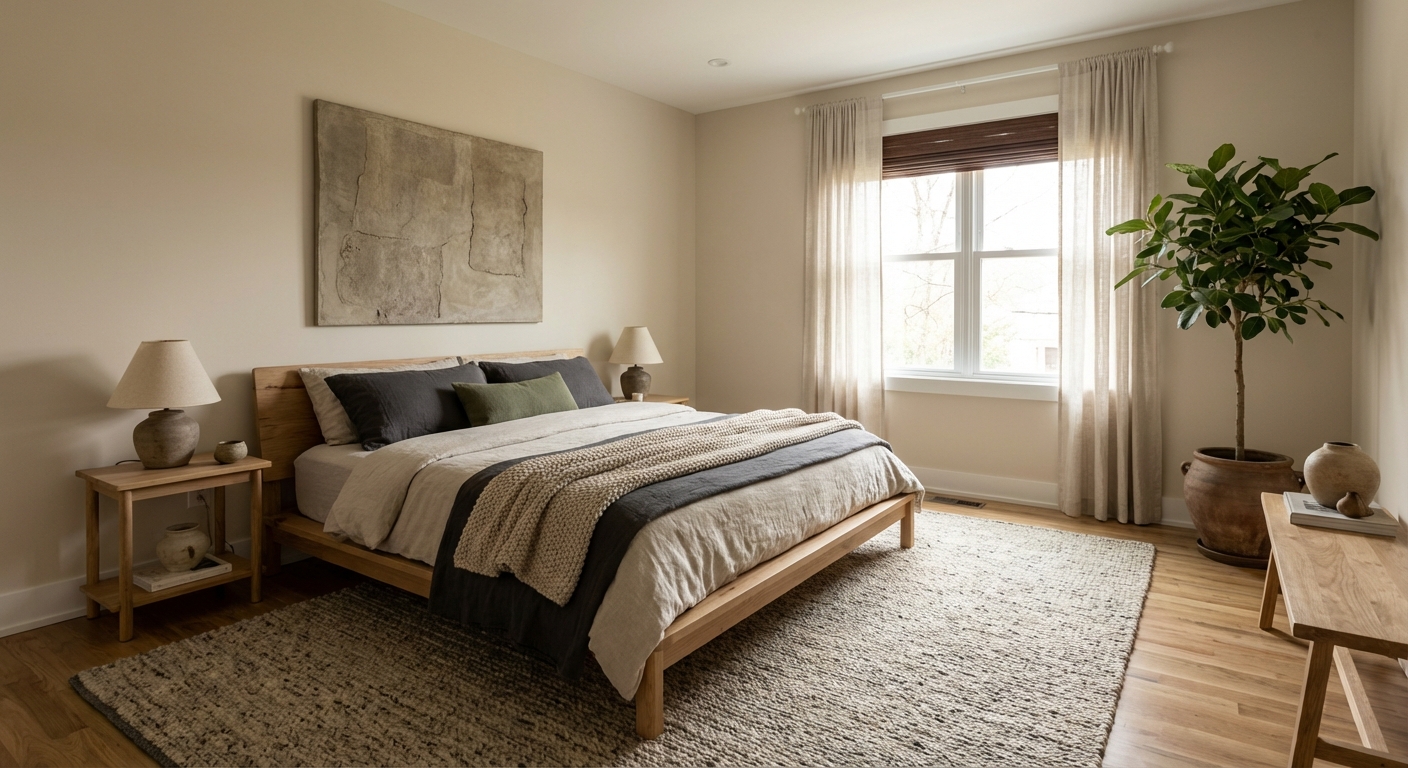
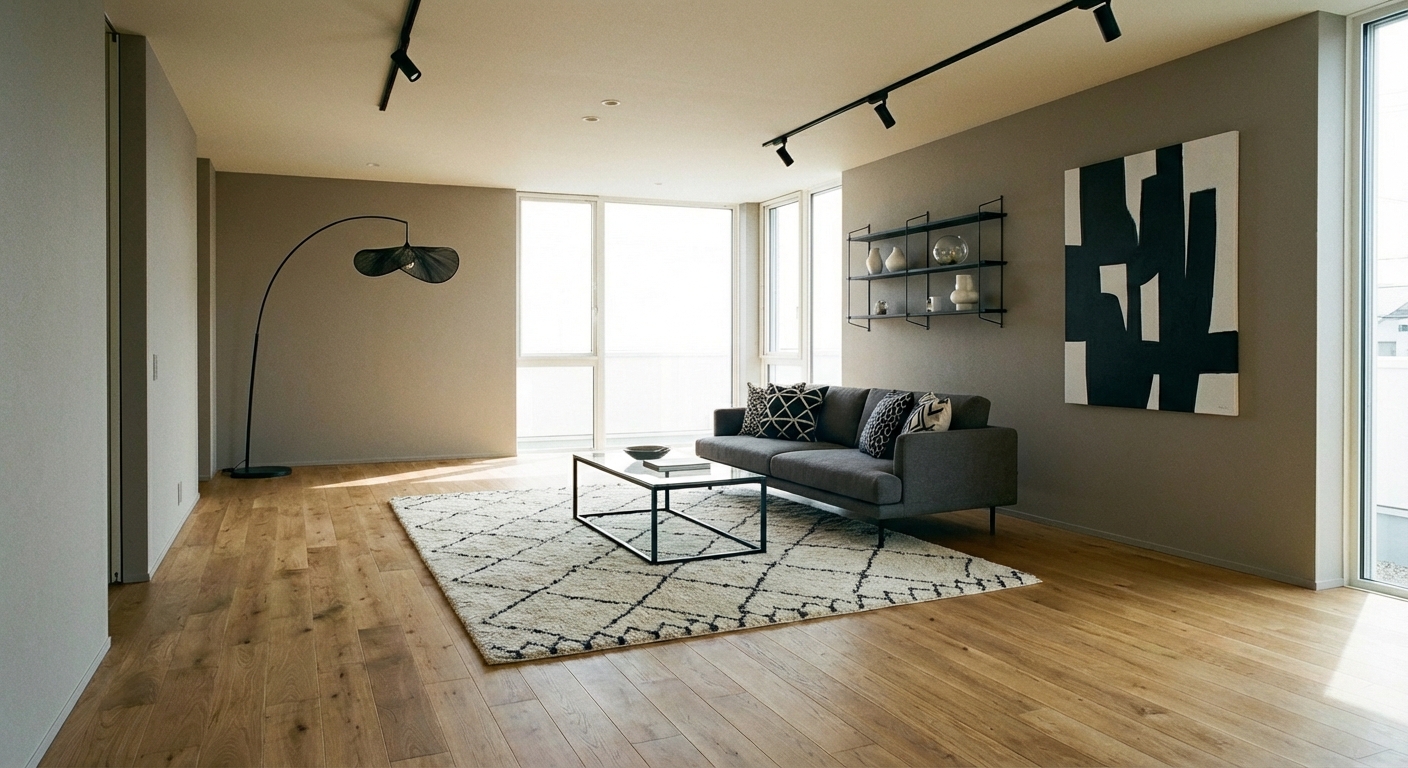
Sẵn Sàng Biến Đổi Căn Phòng Của Bạn?
Tải Layoutly và xem thiết kế này trong không gian của bạn chỉ trong vài giây.