công nghiệp vs mid century: Phong cách nào phù hợp hơn với không gian của bạn?
Phân tích sự khác biệt chính giữa phong cách công nghiệp và mid century để giúp bạn quyết định.
$$
Xem Sự Biến Đổi
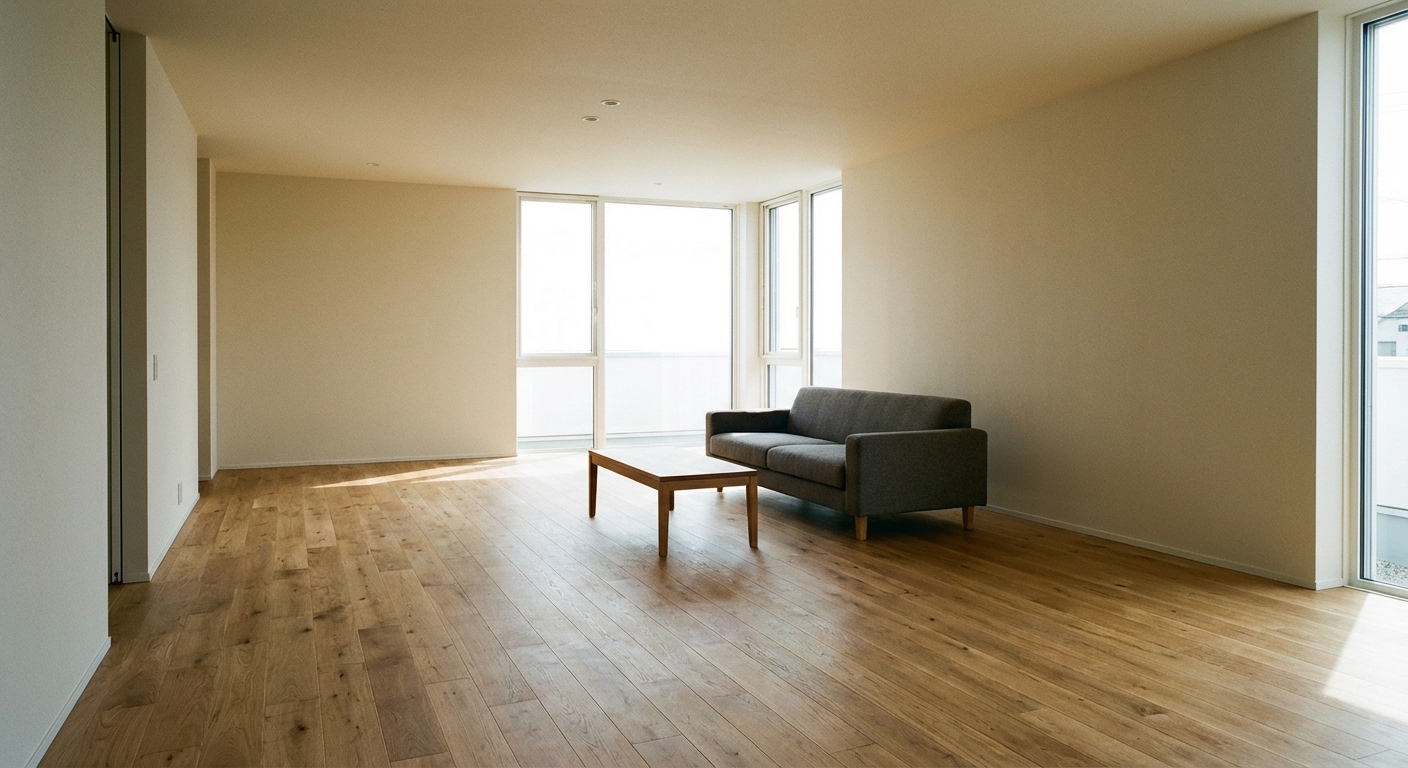
Tải ảnh phòng của bạn lên ứng dụng để xem sự biến đổi thực tế
Bảng Màu
Tại Sao Phù Hợp
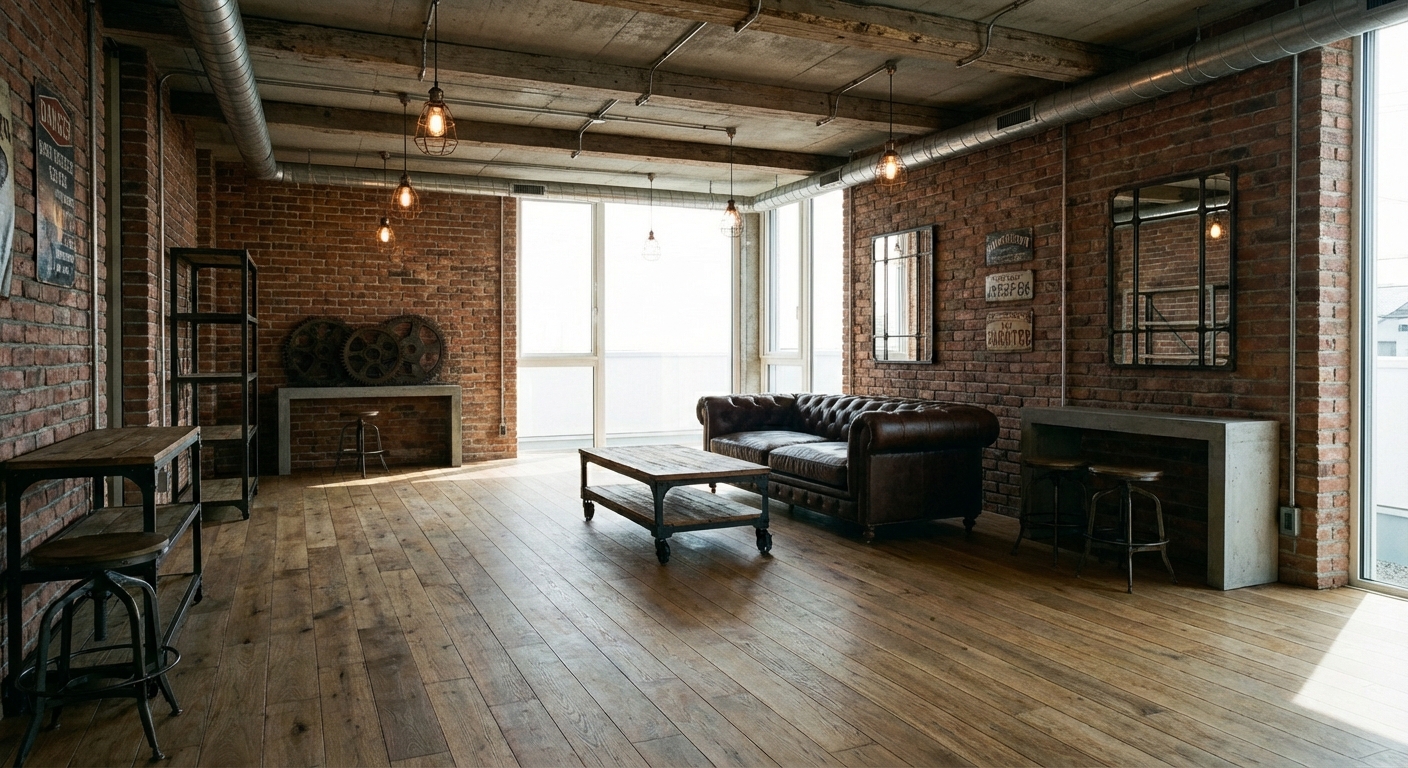
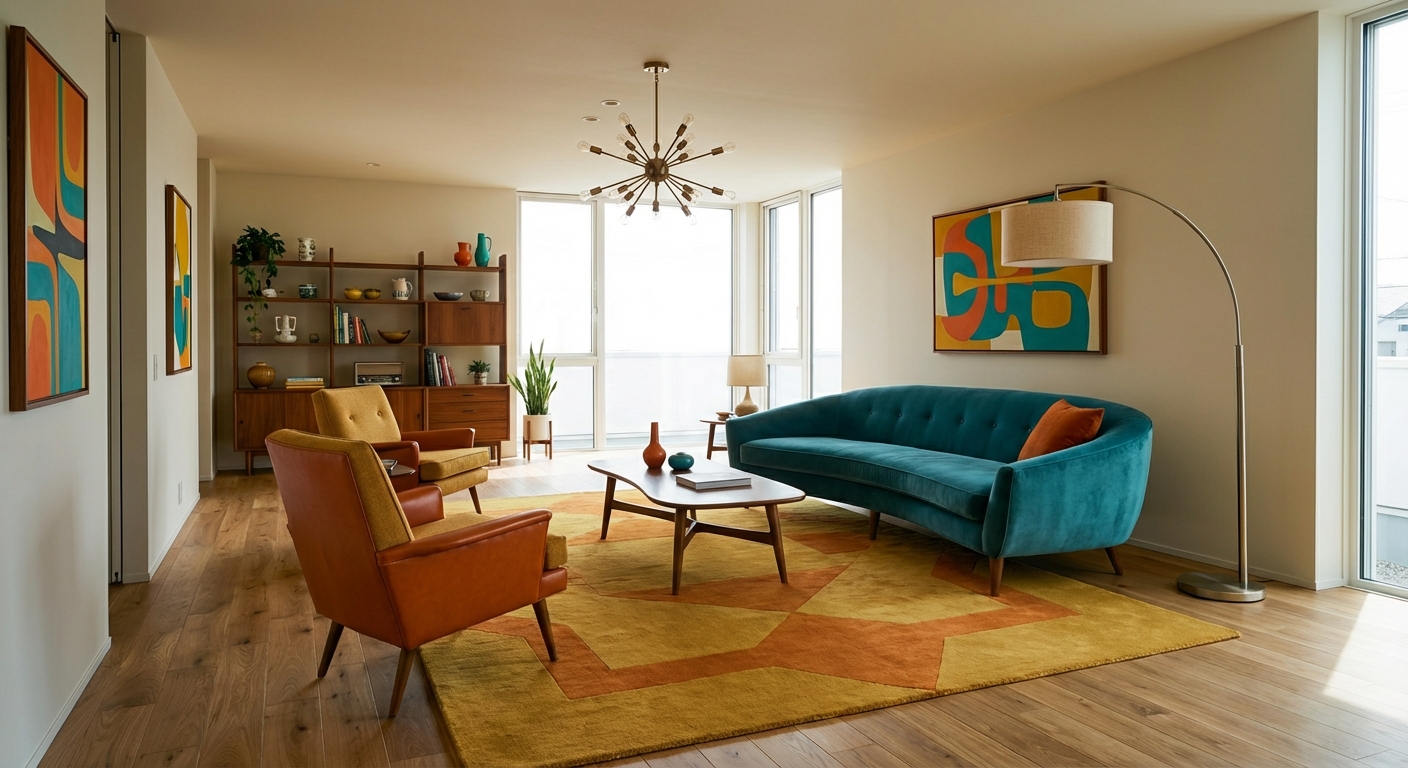
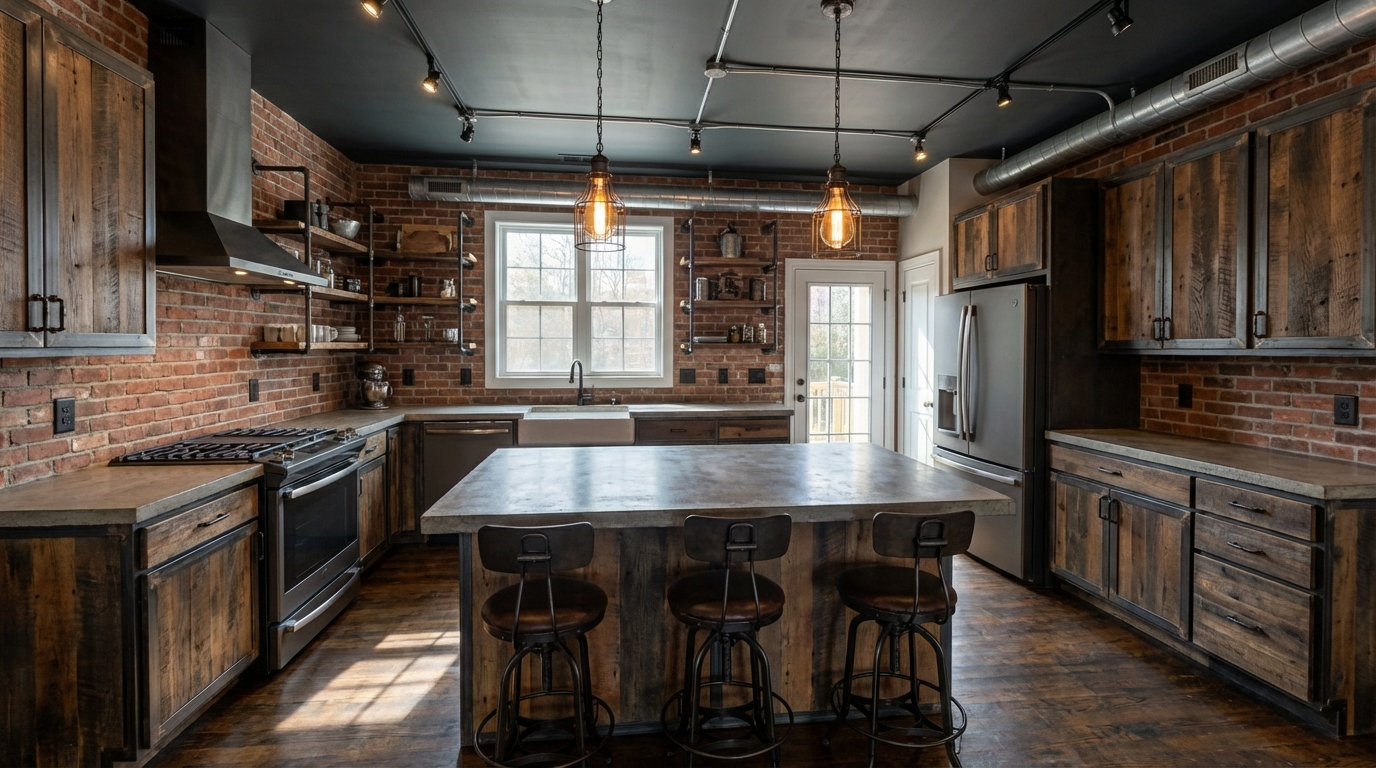
Industrial design celebrates the raw, unfinished aesthetic of factories and warehouses — exposed brick, concrete, steel, and ductwork define the palette. It is intentionally rough and masculine. Mid-century modern celebrates the optimistic design movement of the 1950s-1970s — organic curves, warm woods, and bold colors define spaces that feel playful and sophisticated. Industrial rooms feel like converted lofts; mid-century rooms feel like a Mad Men set. The material palettes are the clearest differentiator: industrial uses steel and concrete; mid-century uses walnut and teak.
Cách Đạt Được Phong Cách Này
- 1
Decide if you want to show the bones of the space or hide them
- 2
Industrial: expose brick, pipes, and ductwork
- 3
Modern: conceal everything behind smooth surfaces
- 4
Industrial: use reclaimed and vintage materials
- 5
Modern: use new, sleek, and refined materials
- 6
Both: appreciate clean geometry and functional design
Industrial celebrates imperfection and history; modern conceals mechanics behind clean surfaces.
Thử Với AI
Layoutly AI lets you preview both industrial and mid-century modern transformations of your room. See how exposed brick compares to walnut paneling, or how a leather sofa versus a teal velvet sofa changes the entire mood of your space.
Câu Hỏi Thường Gặp
Can I mix industrial and mid-century elements?
Yes — the combination of industrial raw materials with mid-century furniture creates a popular "industrial modern" hybrid. Use industrial architecture (brick, concrete) as the backdrop and furnish with mid-century pieces for warmth and personality.
Which is warmer — industrial or mid-century?
Mid-century modern is significantly warmer due to its extensive use of warm wood tones, colorful upholstery, and organic shapes. Industrial spaces require deliberate warming through textiles and wood accents.
Which requires less maintenance?
Industrial design is generally lower maintenance because its materials (concrete, steel, leather) age well and hide wear. Mid-century pieces, especially in walnut, require more careful treatment to maintain their finish.
Sẵn Sàng Biến Đổi Căn Phòng Của Bạn?
Tải Layoutly và xem thiết kế này trong không gian của bạn chỉ trong vài giây.