Nursery Design Ideas That Grow With the Baby
A nursery needs to work on two timelines: the first weeks when calm and access matter most, and the year or two after when the room has to adapt to a walking toddler. Most nurseries land between 80 and 140 square feet, which leaves room for crib, changing station, and a feeding chair without feeling crowded. Convertible cribs (crib → toddler → daybed) stretch a $500 to $1,200 purchase across four or five years; a separate dresser-topped change station beats a standalone change table because it keeps the dresser useful after the diaper years. Palette-wise, soft neutrals age far better than bold themed rooms — warm whites, creamy off-whites (Farrow & Ball Pointing, Benjamin Moore Swiss Coffee), muted sage, or dusty blues read calm in every light. Blackout window treatments are the single biggest functional upgrade: real blackout liner behind a curtain or a top-down cellular shade makes a bigger difference to sleep than any decor choice. Keep one open floor area of at least 4x4 feet for play as the baby becomes mobile.
Pick furniture that converts, use low-saturation color as the base, and leave real floor space. Decoration is easy to swap; layout is not.
Key elements of a well-designed nursery
- Convertible crib
- Soft, low-saturation palette
- Blackout window treatment
- Change station layout
- Floor play area
- Quiet lighting
Most common nursery mistakes
- Over-themed room that will be wrong in 18 months
- No blackout for naps
- Change table far from the crib
- Shelving a toddler can pull down
More nursery ideas
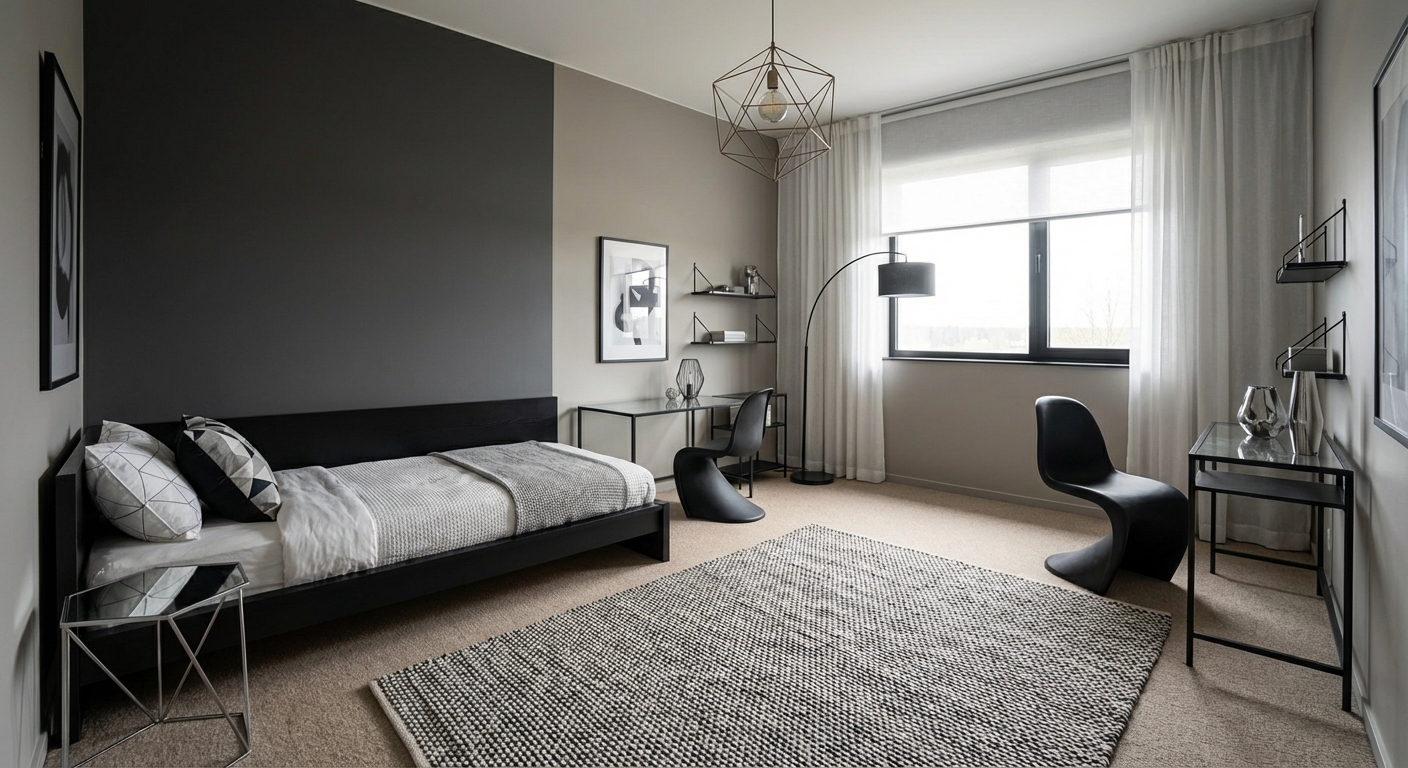
Transitional Kids Room Design Ideas
Wabi-Sabi Kids Room Design Ideas
French Country Kids Room Design Ideas
Tropical Kids Room Design Ideas
Retro Kids Room Design Ideas
Monochromatic Kids Room Design Ideas
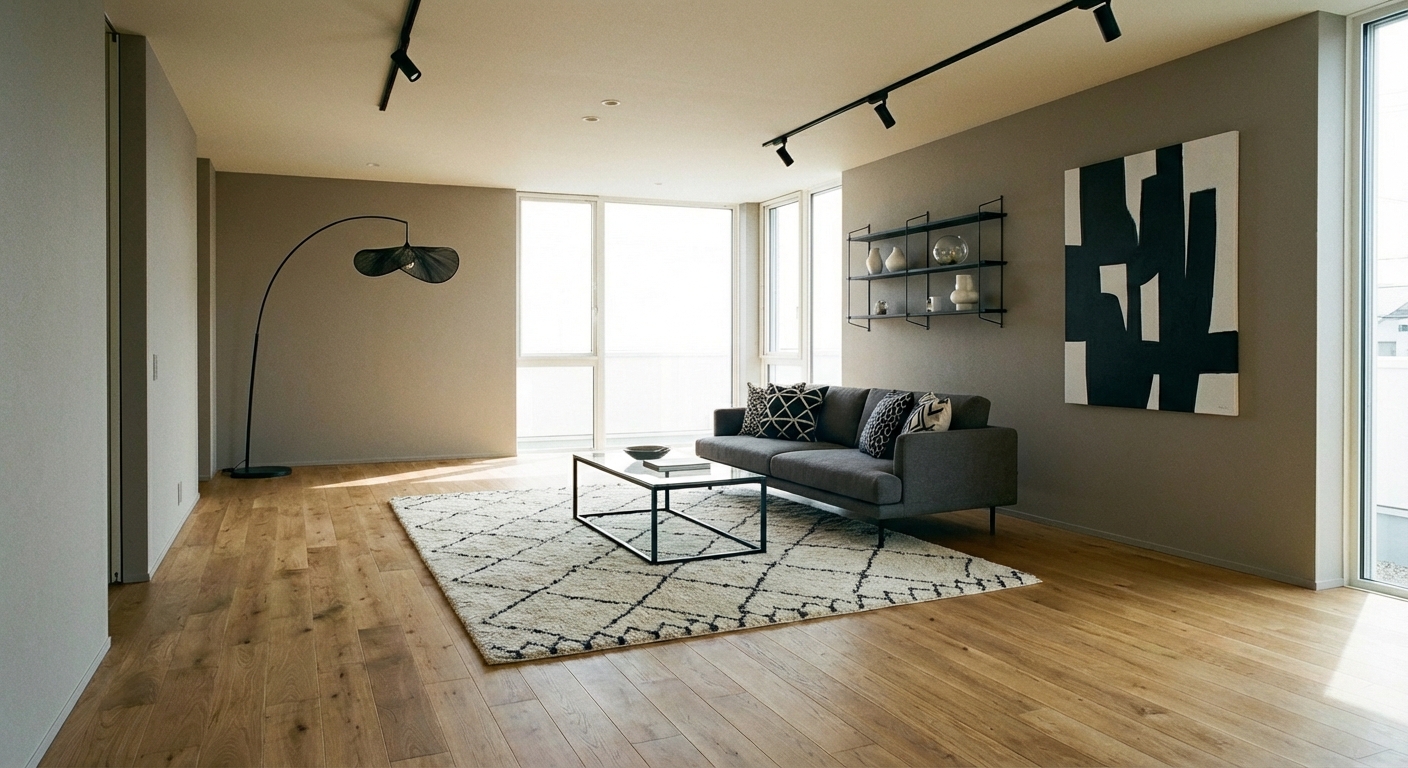
How to Design a Nursery That Grows With Your Baby
Nursery Transformation: Room to Baby-Ready
Luxury Kids Room Design Ideas
Preview your own nursery with AI
Upload a photo of your nursery, pick a style, and compare directions before buying furniture or committing to paint. Every hub on this page is a shortcut into testing the idea on your actual space.
Quick answers about nursery design
Pair this hub with related style directions, visual tools, and room guides.
Frequently Asked Questions
Q1 What is the most important feature of a nursery?
A genuinely dark window treatment. Blackout cellular shades or lined curtains with blackout liner make a bigger difference to naps and overnight sleep than any decor choice. Top-down/bottom-up cellular shades are especially good because they still allow light during awake time.
Q2 Should a nursery use bright colors?
Usually not. Soft, low-saturation tones (muted sage, dusty blue, warm cream, soft clay) age better, soothe the baby, and let you swap in brighter accents as the child develops preferences. Save the bold color for one removable element like a framed print or a crib sheet set.
Q3 How should the nursery be laid out?
Crib on an interior wall away from direct window light and any vents, changing station within two steps of the crib so one hand can stay on baby, and a comfortable glider within reach of both. Leave at least a 4x4 foot open floor area for tummy time and eventual crawling.
Q4 What rug works in a nursery?
Low-pile wool or washable cotton in a mid-tone — shows less dirt than white, softer than synthetic. 5x7 or 6x9 depending on the room. Skip high-pile shag (hard to clean) and bound jute (too rough for crawling skin).
Q5 Can AI help plan a nursery?
Yes — test layouts, palettes, and furniture scale before committing to large purchases.
Preview nursery ideas on your real space
Download Intero and see this design in your space in seconds.
No credit card. No signup. Just results.