Too Many Doors? How to Design a Room That Still Makes Sense
Rooms with three, four, or even five doors leave little wall space for furniture. These layout strategies create functional, beautiful rooms despite the door challenge.
$$
変身を見る
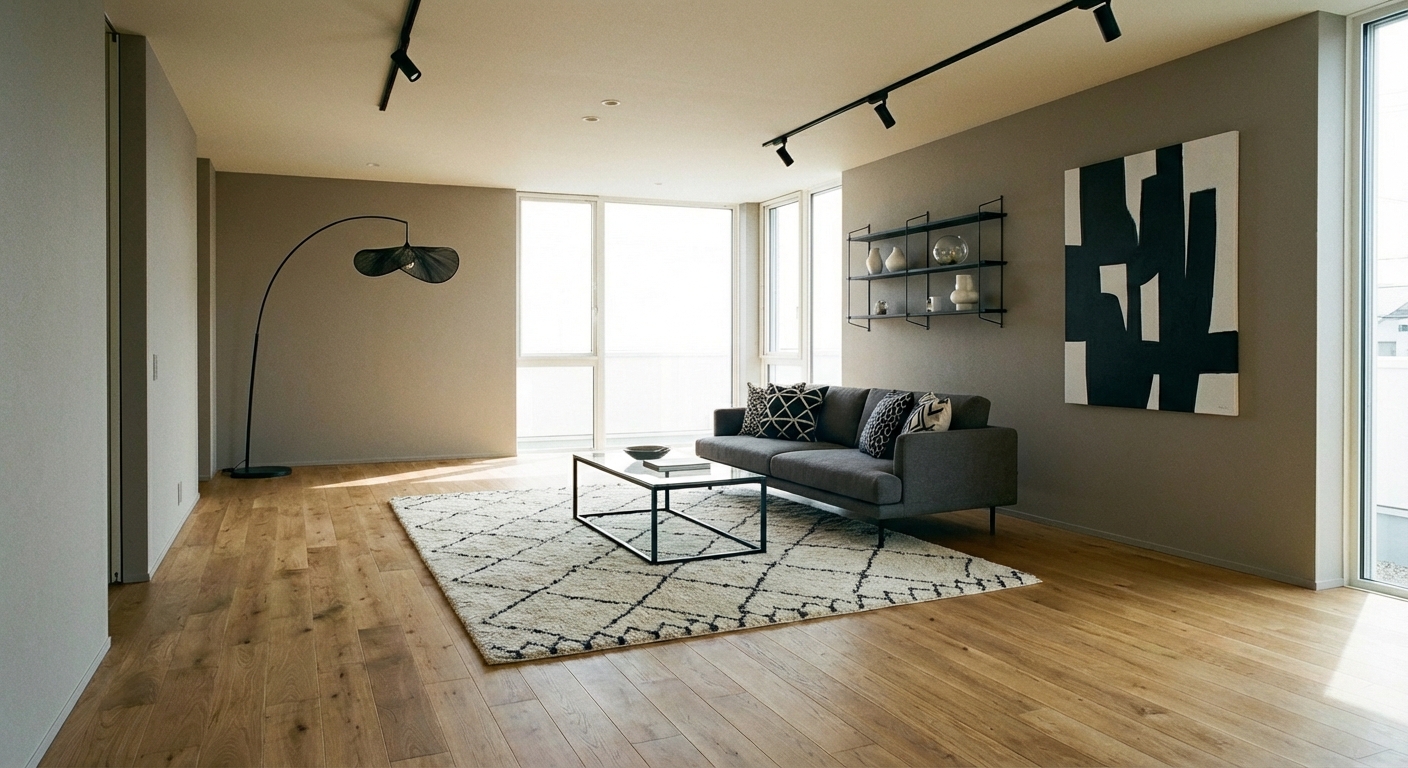
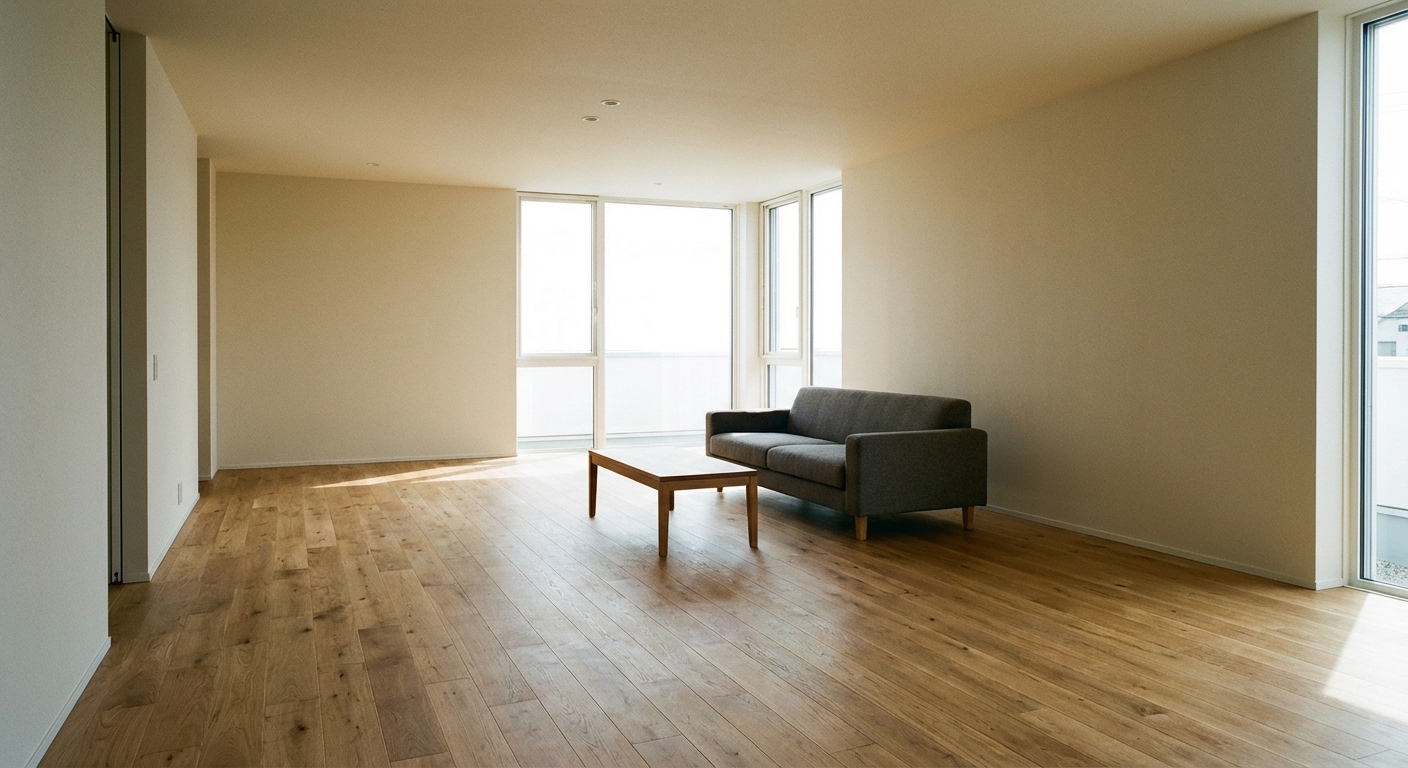
アプリで部屋の写真をアップロードして、実際の変身を確認しましょう
カラーパレット
なぜうまくいくのか
Rooms with multiple doors fail when furniture blocks traffic paths or leaves the center empty and undefined. Success comes from mapping traffic flow first, then designing around it. Floating furniture groups away from walls eliminates the need for wall space entirely. Narrow-profile pieces — slim consoles, armless chairs, and round tables — keep walkways clear while still furnishing the room. Treating each wall section between doors as a design vignette prevents the choppy, fragmented look.
このスタイルを実現する方法
- 1
Map all traffic flow paths between doors on a floor plan
- 2
Identify usable wall segments between door openings
- 3
Float furniture away from walls to create clear walkways
- 4
Use consistent door hardware and paint color on all doors
- 5
Anchor each usable wall segment with one purpose — art, shelf, or console
- 6
Use a large area rug to unify the seating zone within the traffic flow
Map the traffic paths between every door first — then place furniture only in the dead zones outside those paths.
AIで試してみよう
Multi-door rooms are one of the hardest layout puzzles to solve mentally. Layoutly AI lets you upload a photo of your room and test different furniture arrangements that work around every door and traffic path, helping you find a layout that flows naturally.
よくある質問
How do I arrange furniture with four or more doors?
Float your main furniture group in the center of the room and keep traffic lanes clear around the perimeter. Use an area rug to define the central zone. Avoid placing large pieces against walls where they might block door swings.
What do I do with narrow wall space between doors?
Narrow wall sections work well for slim consoles, floating shelves, leaning mirrors, sconces, or tall narrow art. Think vertical and slim rather than wide and deep.
How wide should traffic paths be between doors?
Primary traffic paths should be at least 36 inches wide for comfortable movement. Secondary paths can be 24-30 inches. Never place furniture in a way that forces people to squeeze between pieces to reach a door.