industriale vs mid century: quale è meglio per il tuo spazio?
Analizziamo le differenze chiave tra gli stili industriale e mid century per aiutarti a decidere.
What is industriale vs mid century?
Analizziamo le differenze chiave tra gli stili industriale e mid century per aiutarti a decidere.
$$
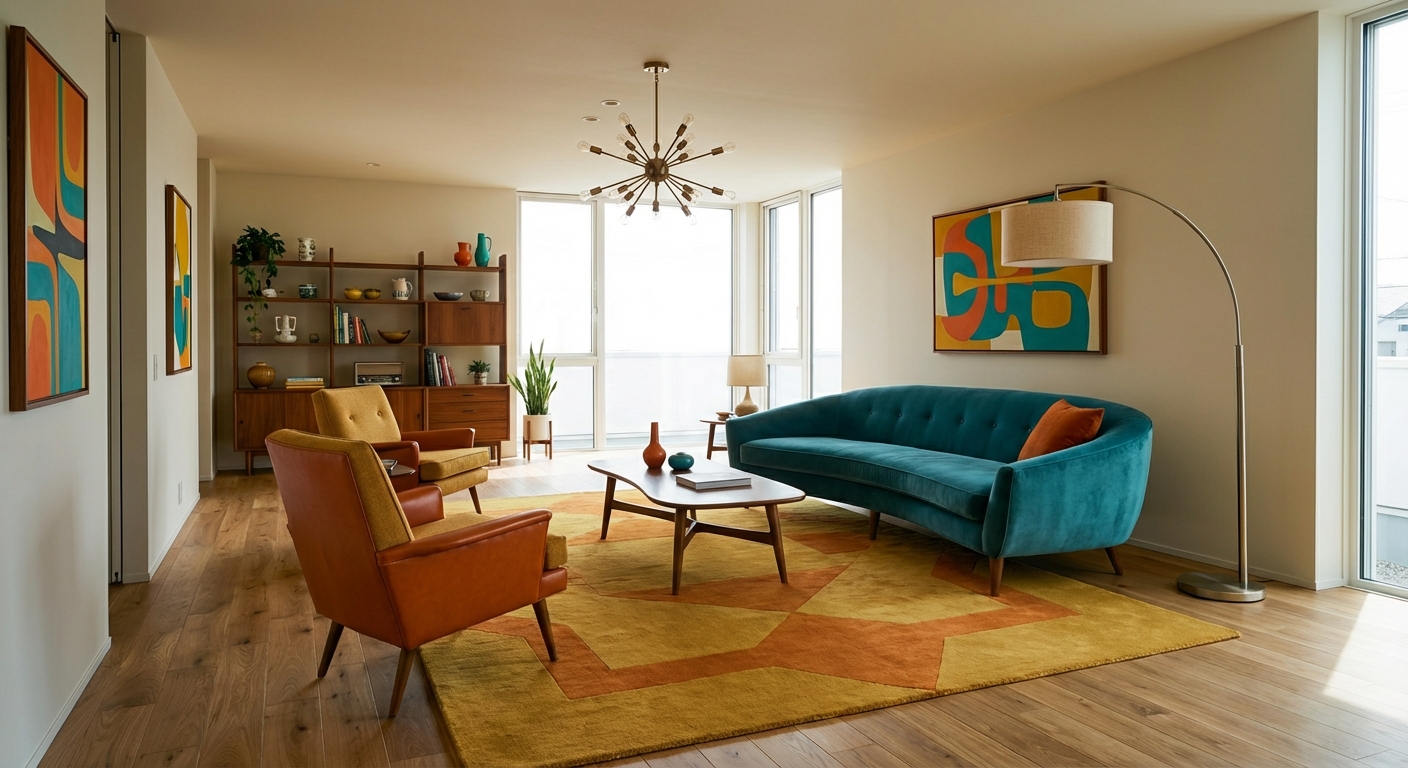
Guarda la Trasformazione
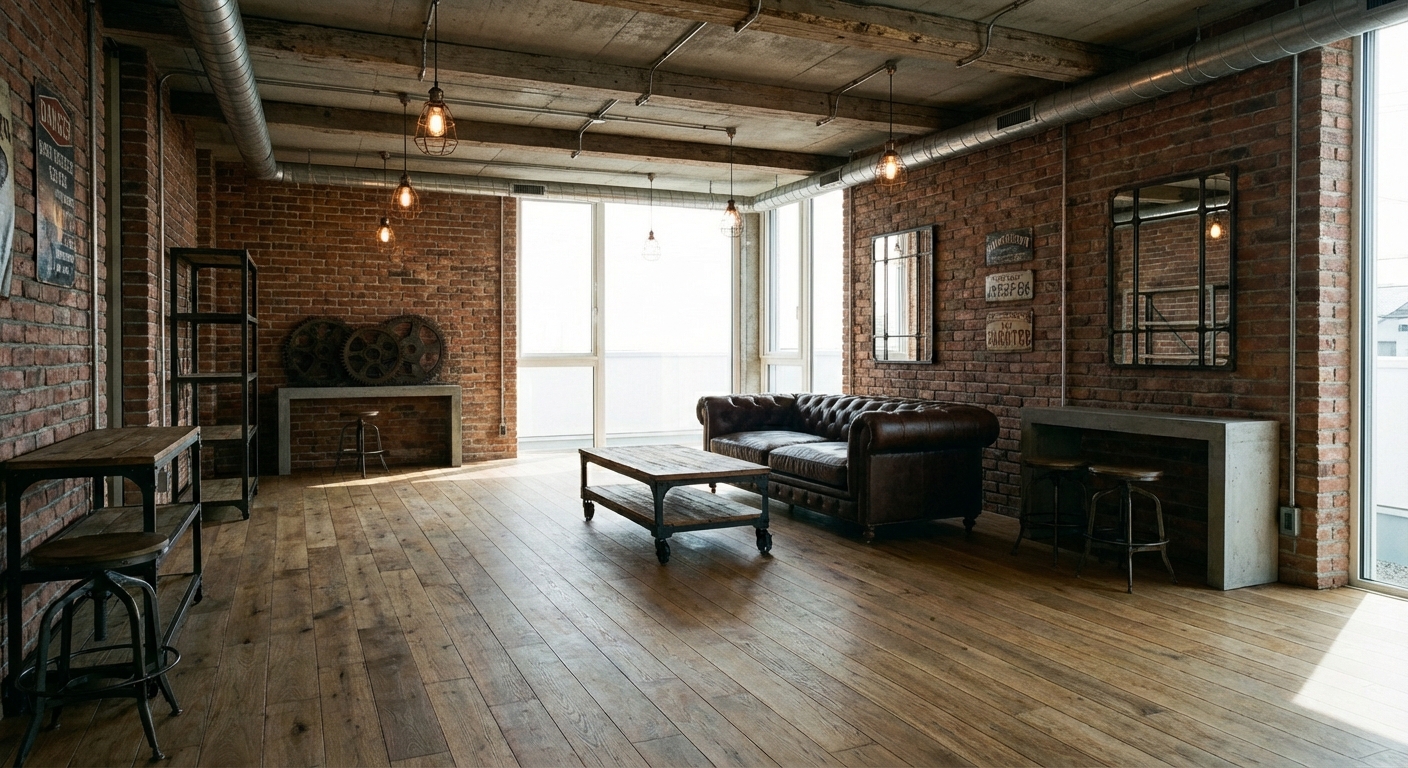
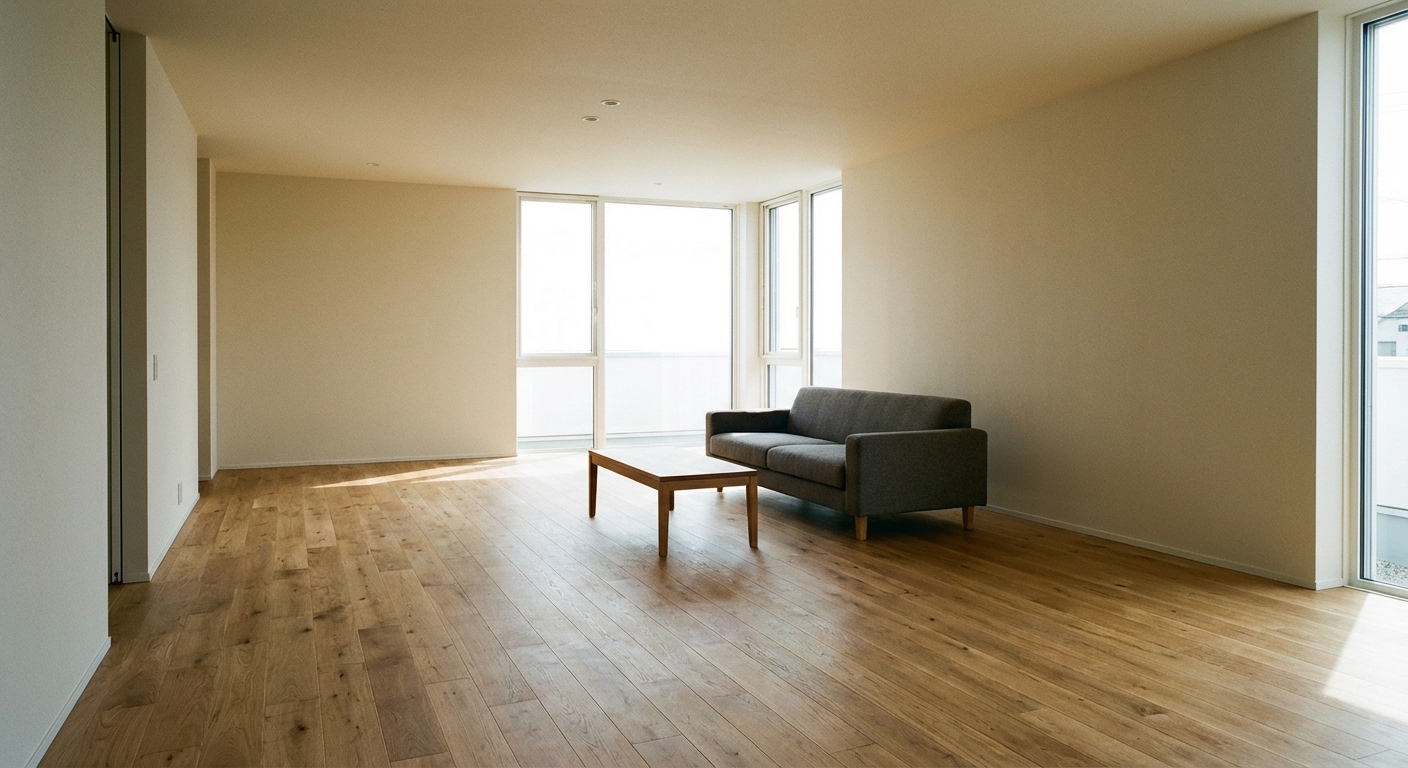
Carica la foto della tua stanza nell'app per vedere la tua vera trasformazione
Palette Colori
Clicca un colore per copiarne il codice hex
Perché Funziona
Gli stili industriale e mid century incarnano filosofie di design molto diverse. industriale punta su un'estetica e materiali propri, mentre mid century segue un approccio differente per colori, forme e proporzioni. Capire queste differenze ti aiuta a scegliere quello più adatto al tuo stile di vita e alla tua casa.
Come Ottenere Questo Stile
- 1
Carica una foto nitida della stanza.
- 2
Confronta alcune direzioni di stile vicine prima di decidere.
- 3
Salva la tua versione preferita per guidare acquisti o lavori.
Usa il confronto affiancato dell’IA per visualizzare entrambi gli stili nella tua stanza e scegliere con sicurezza.
Indeciso tra industriale e mid century? Con Intero puoi provare entrambi gli stili sulla foto della tua stanza e confrontare il risultato all'istante.
"Saved thousands on interior design fees. The AI suggestions were spot-on."
— James R.
Domande Frequenti
Q1 Si possono mescolare industriale e mid century?
Sì, si possono combinare elementi di entrambi gli stili mantenendo coerenza nei materiali e nelle tonalità.
Q2 Qual è più economico, industriale o mid century?
Dipende dai materiali e dai pezzi scelti. Entrambi gli stili offrono opzioni in diverse fasce di prezzo.
Q3 Come posso visualizzare industriale vs mid century nel mio spazio?
Carica una foto della tua stanza su Intero e genera render con ogni stile per confrontarli fianco a fianco.
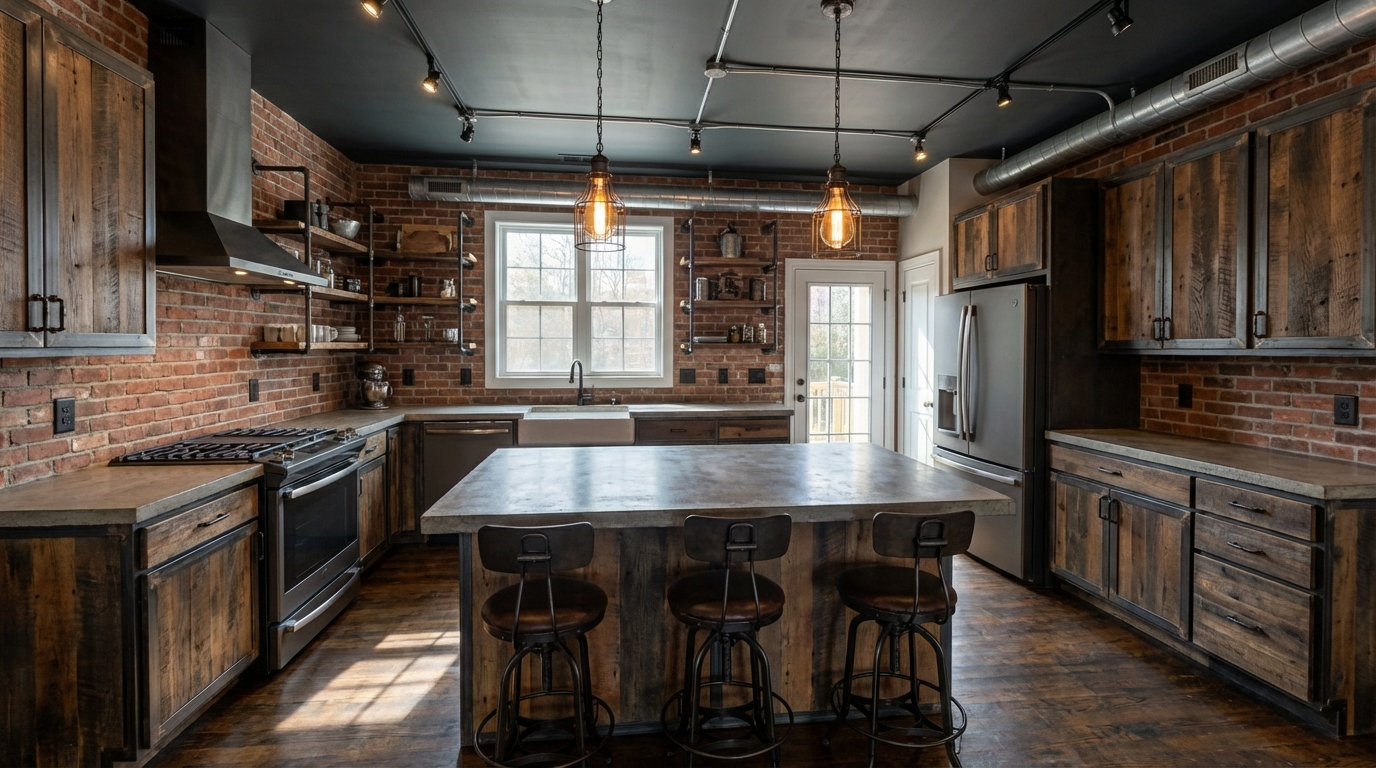
Ricerche correlate
Queste sono le pagine che le persone aprono di solito mentre definiscono questa direzione di design.
Pronto a Trasformare la Tua Stanza?
Scarica Intero e visualizza questo design nel tuo spazio in pochi secondi.
Niente carta. Nessuna registrazione. Solo risultati.