How to Mix Design Styles Without Creating Chaos
The most interesting rooms blend multiple styles — but there is a fine line between eclectic and chaotic. These rules help you mix confidently.
$$
Mira la Transformación
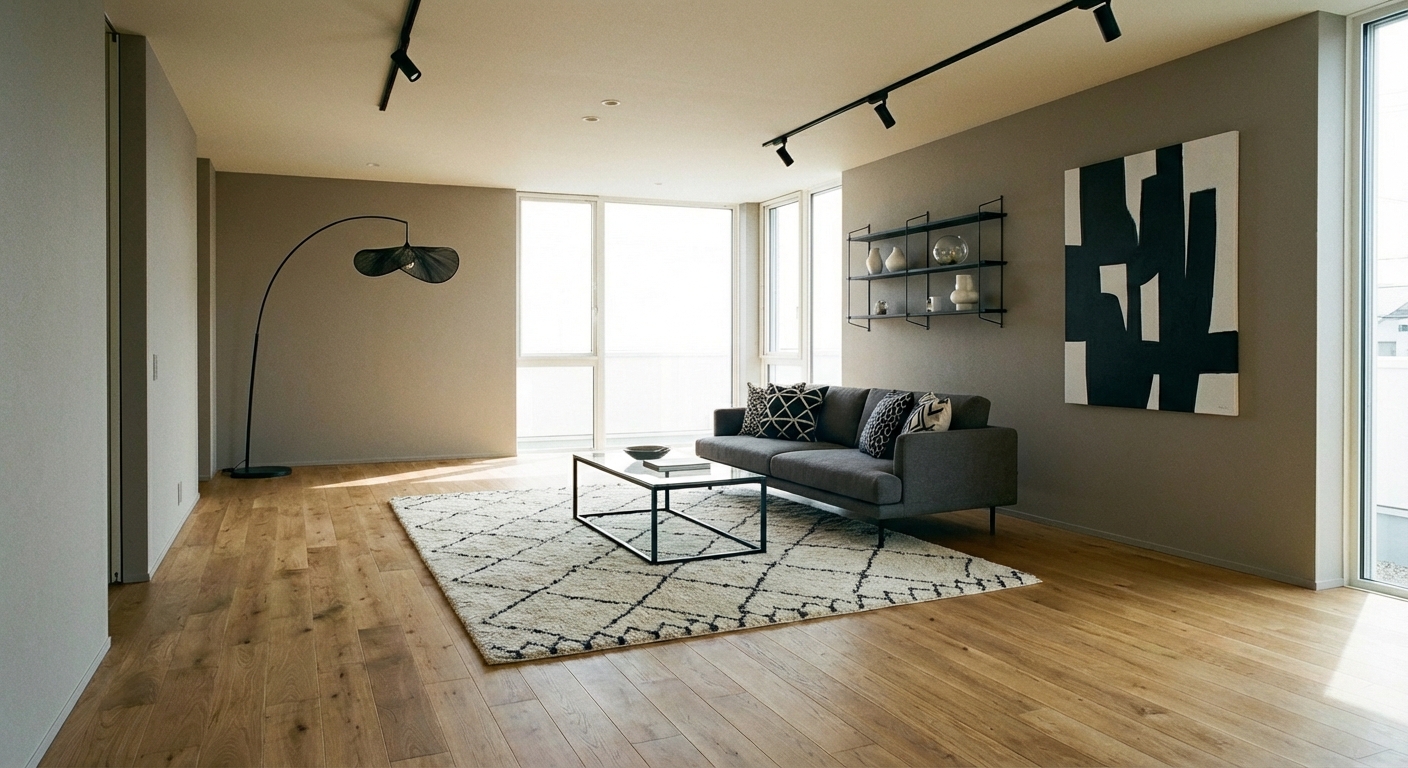
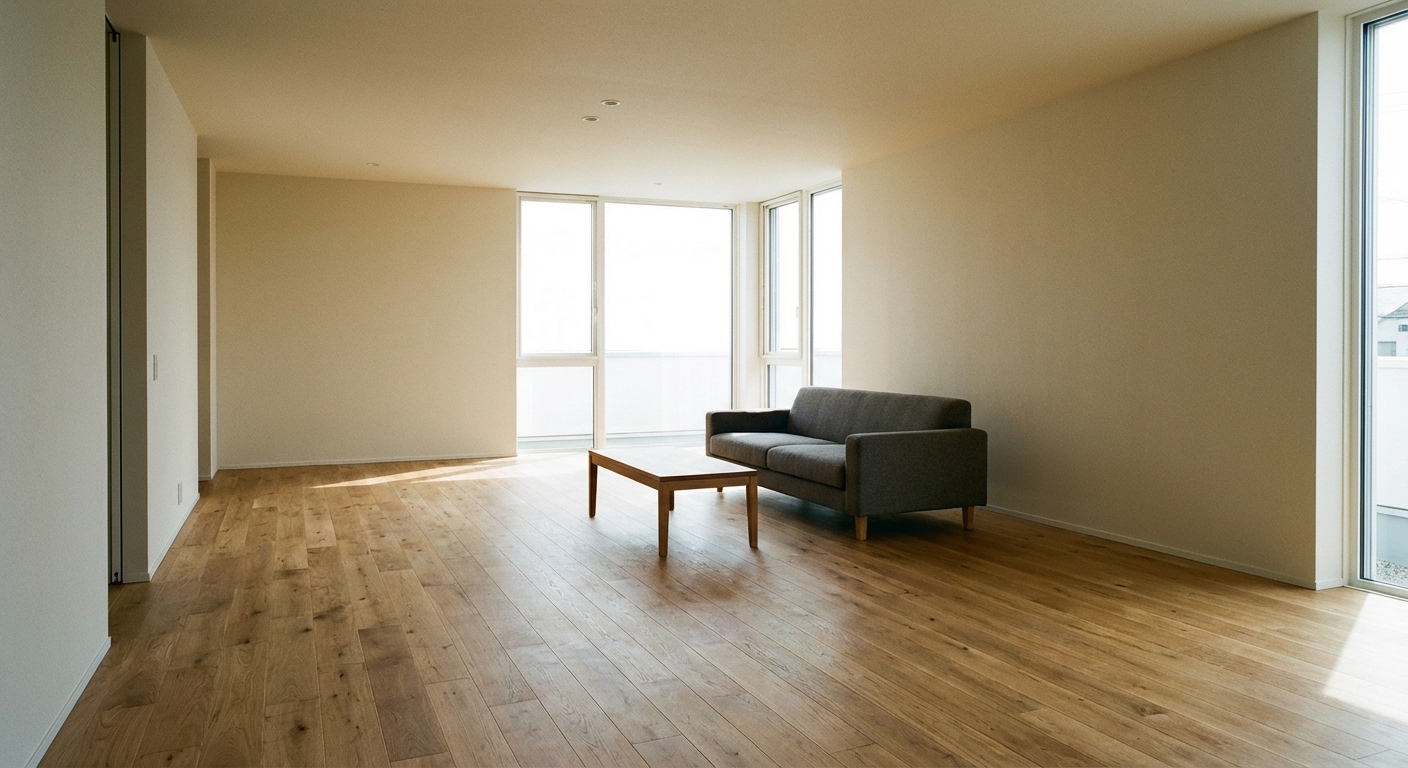
Sube la foto de tu habitación en la app para ver tu transformación real
Paleta de Colores
Por Qué Funciona
Mixed-style rooms feel curated and personal because they avoid the catalog-page uniformity of single-style spaces. The key to successful mixing is finding a unifying thread — usually color palette, material, or scale — that ties different pieces together. A mid-century chair next to a farmhouse table works when they share a warm wood tone. An industrial shelf next to a bohemian sofa works when they share a dark metal accent color.
Cómo Lograr Este Estilo
- 1
Choose a dominant style as your foundation
- 2
Select a secondary style for accent pieces only
- 3
Find a color thread that connects both styles
- 4
Balance proportions — keep the dominant style at about 80 percent
- 5
Mix through accessories and smaller pieces rather than major furniture
- 6
Step back and remove anything that feels disconnected
Pick one dominant style at 80 percent and mix in a secondary at 20 percent — any more becomes chaotic.
Pruébalo con IA
Layoutly AI is perfect for testing style combinations. Upload your room and see how adding a mid-century chair to your farmhouse living room looks, or how industrial lighting works with your Scandinavian kitchen. Preview combinations before purchasing to ensure they harmonize.
Preguntas Frecuentes
What design styles mix well together?
Modern and mid-century share clean lines. Farmhouse and industrial share raw materials. Scandinavian and Japandi share minimalism. Bohemian and Mediterranean share warmth and pattern. Generally, styles that share a key principle (minimalism, warmth, rawness) blend most naturally.
How many design styles can I mix in one room?
Stick to two, occasionally three. One dominant style and one accent style is the safest approach. More than two accent styles requires expert-level curation to avoid visual chaos.
What is the difference between eclectic and messy?
Intentionality. Eclectic rooms have a unifying color palette, consistent scale, and each piece is chosen deliberately. Messy rooms have no common thread — pieces are included randomly without a visual connection.
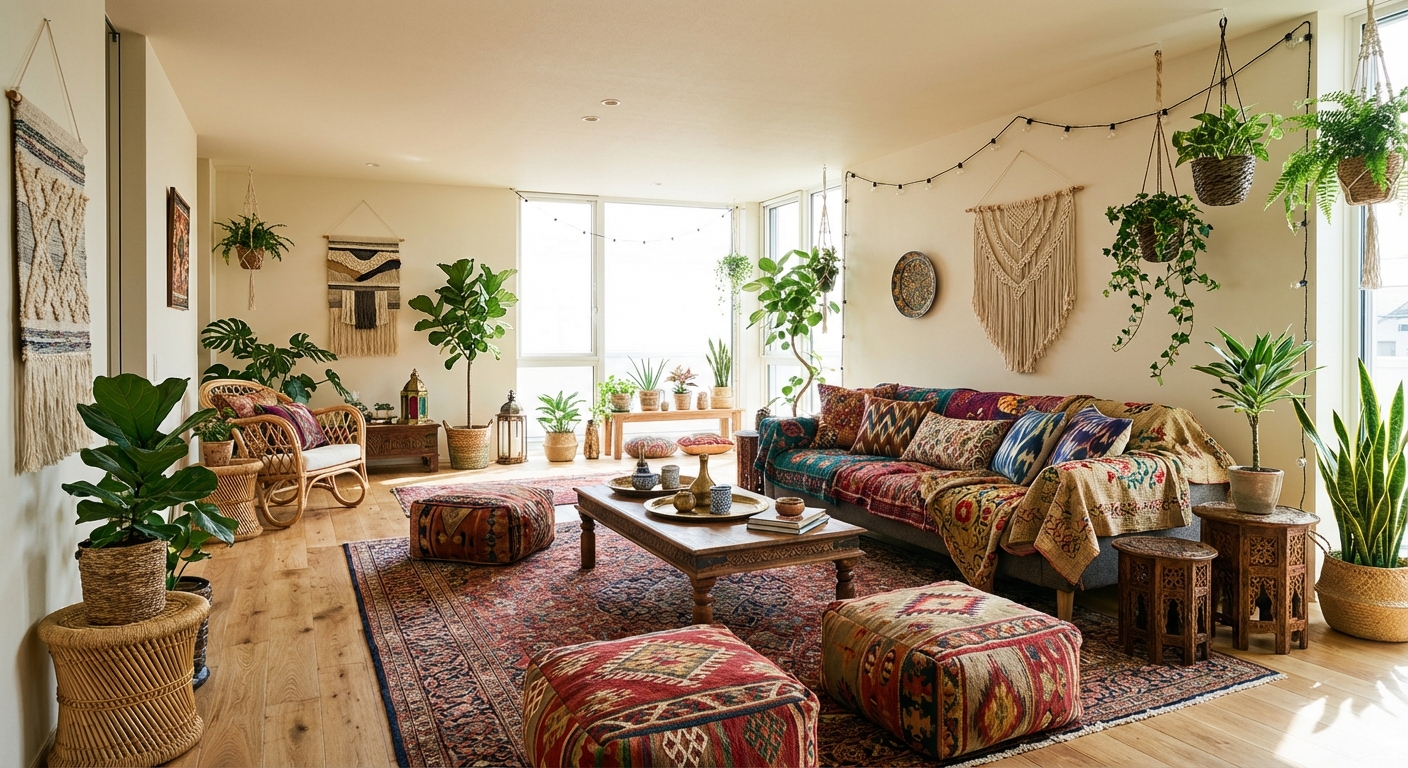
¿Listo para Transformar Tu Habitación?
Descarga Layoutly y visualiza este diseño en tu espacio en segundos.