Traditional vs Transitional — Classic Formality or Modern Balance?
Traditional design honors history and craftsmanship. Transitional takes the best of traditional and strips away the fuss. Here is how to choose between them.
What is Traditional vs Transitional Design: Which Suits You??
Traditional design honors history and craftsmanship. Transitional takes the best of traditional and strips away the fuss. Here is how to choose between them.
$$
See the Transformation
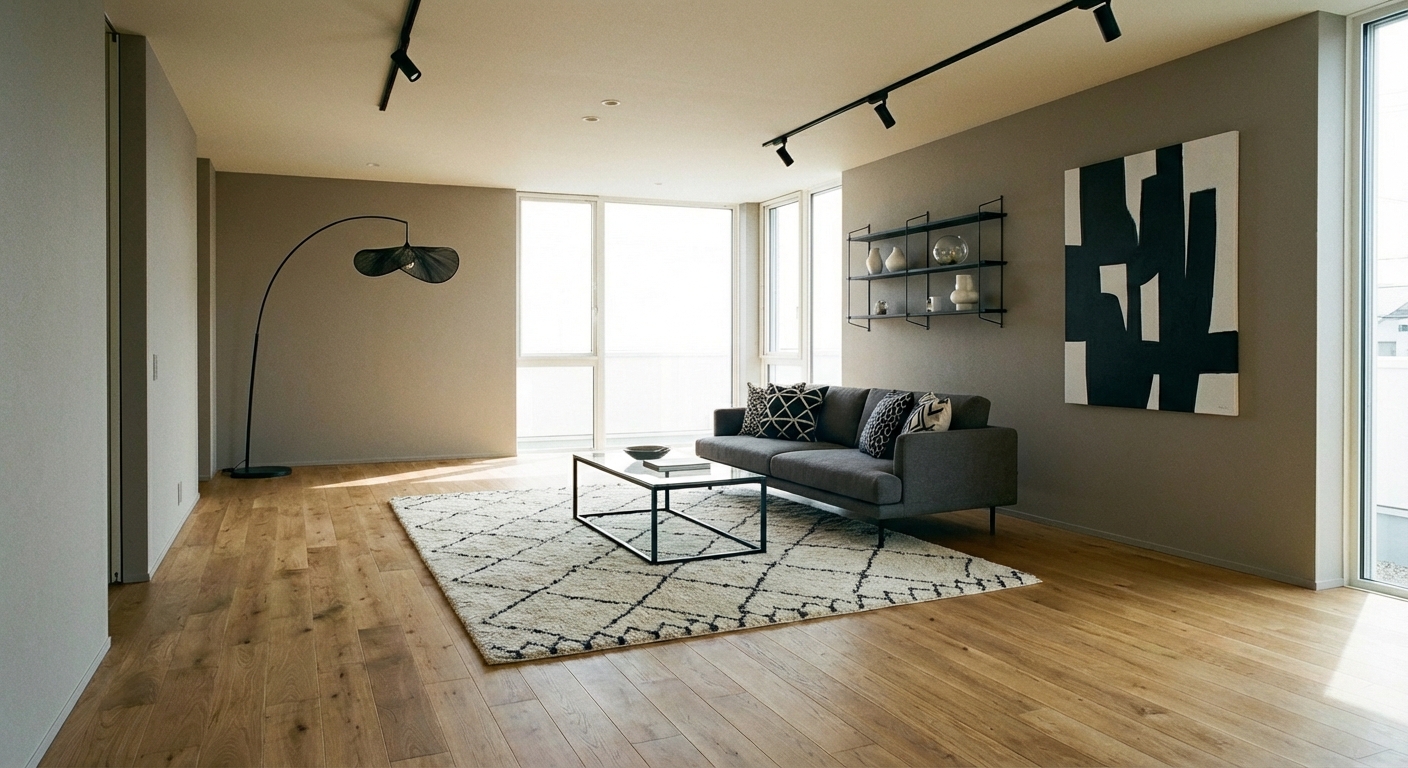
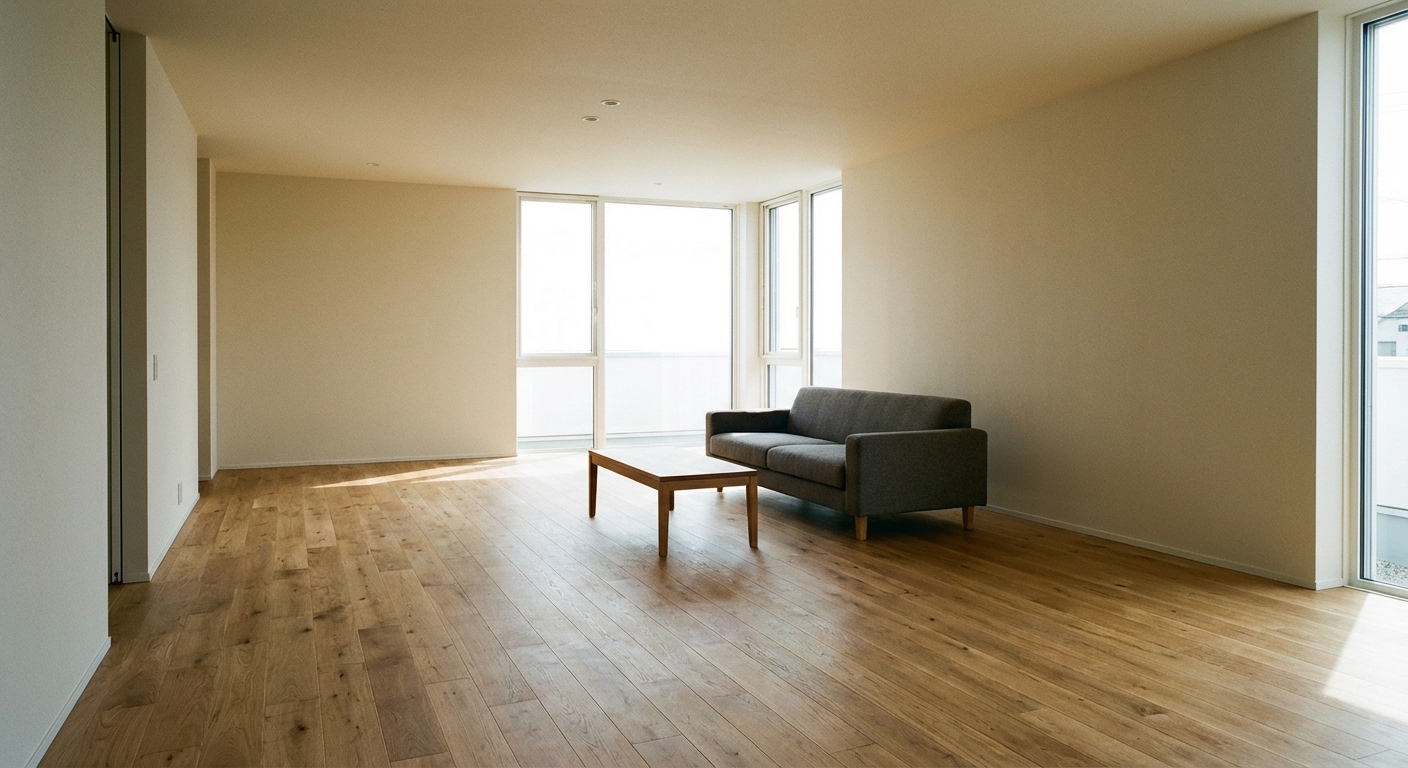
Upload your room photo in the app to see your real transformation
Color Palette
Click any color to copy hex code
Why It Works
Traditional design draws from European historical styles — ornate furniture, rich fabrics (silk, damask, brocade), dark woods, and symmetrical arrangements create rooms with formal elegance and historical character. Transitional design takes traditional forms and simplifies them for modern living — it keeps the symmetry and rich materials but removes the ornamentation. A traditional room has a carved mahogany table with a damask runner; a transitional room has a simple mahogany table with a linen runner. Transitional bridges the gap between your grandmother house and a modern showroom.
How to Achieve This Look
- 1
Decide if you want timeless blend or current trends
- 2
Transitional: combine classic furniture with modern clean lines
- 3
Contemporary: follow the latest design movements and materials
- 4
Transitional: use a warm, neutral palette with traditional textures
- 5
Contemporary: explore bold color, unusual materials, and asymmetry
- 6
Both: prioritize quality and comfort in furniture selection
Transitional splits the difference between traditional and modern. Contemporary is whatever is happening right now in design.
The line between traditional and transitional can be subtle but impactful. Intero AI lets you preview both approaches in your room, helping you find the exact point on the spectrum between formal and relaxed that feels right for your lifestyle.
"Finally an app that understands my taste. Every room turned out perfect."
— Priya K.
Frequently Asked Questions
Q1 Is transitional just watered-down traditional?
No — transitional is a deliberate design style that combines traditional forms with modern simplicity. It takes the best elements of traditional (quality materials, symmetry, elegance) and modern (clean lines, neutral palette, restraint) to create something distinct.
Q2 Which is better for resale value?
Transitional design typically has the broadest resale appeal because it feels neither too formal nor too trendy. It reads as "quality" to most buyers without alienating those who prefer modern or traditional tastes.
Q3 Can I transition from traditional to transitional gradually?
Yes — this is one of the easiest style transitions. Start by replacing heavy curtains with simple panels, swapping ornate accessories for simpler ones, lightening the color palette, and removing a few decorative objects from each surface.
Related searches
These are the next pages people usually open while narrowing this design direction.
Design Guides You'll Love
Ready to Transform Your Room?
Download Intero and see this design in your space in seconds.
No credit card. No signup. Just results.