Industrial vs Mid-Century Modern — Two Eras, Two Vibes
Industrial draws from factories; mid-century draws from design studios. Both use honest materials, but the result could not be more different.
What is Industrial vs Mid-Century Modern: Which to Choose??
Industrial draws from factories; mid-century draws from design studios. Both use honest materials, but the result could not be more different.
$$
See the Transformation
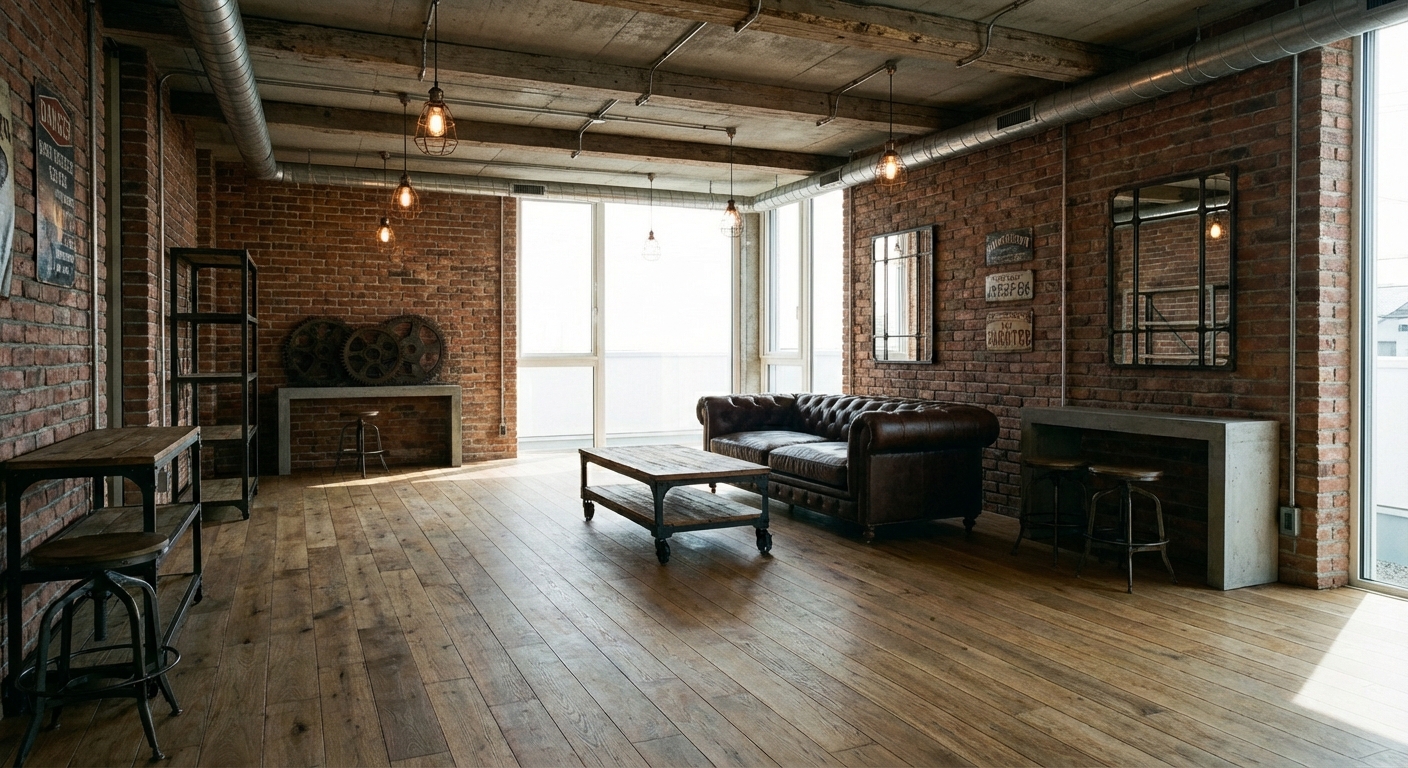
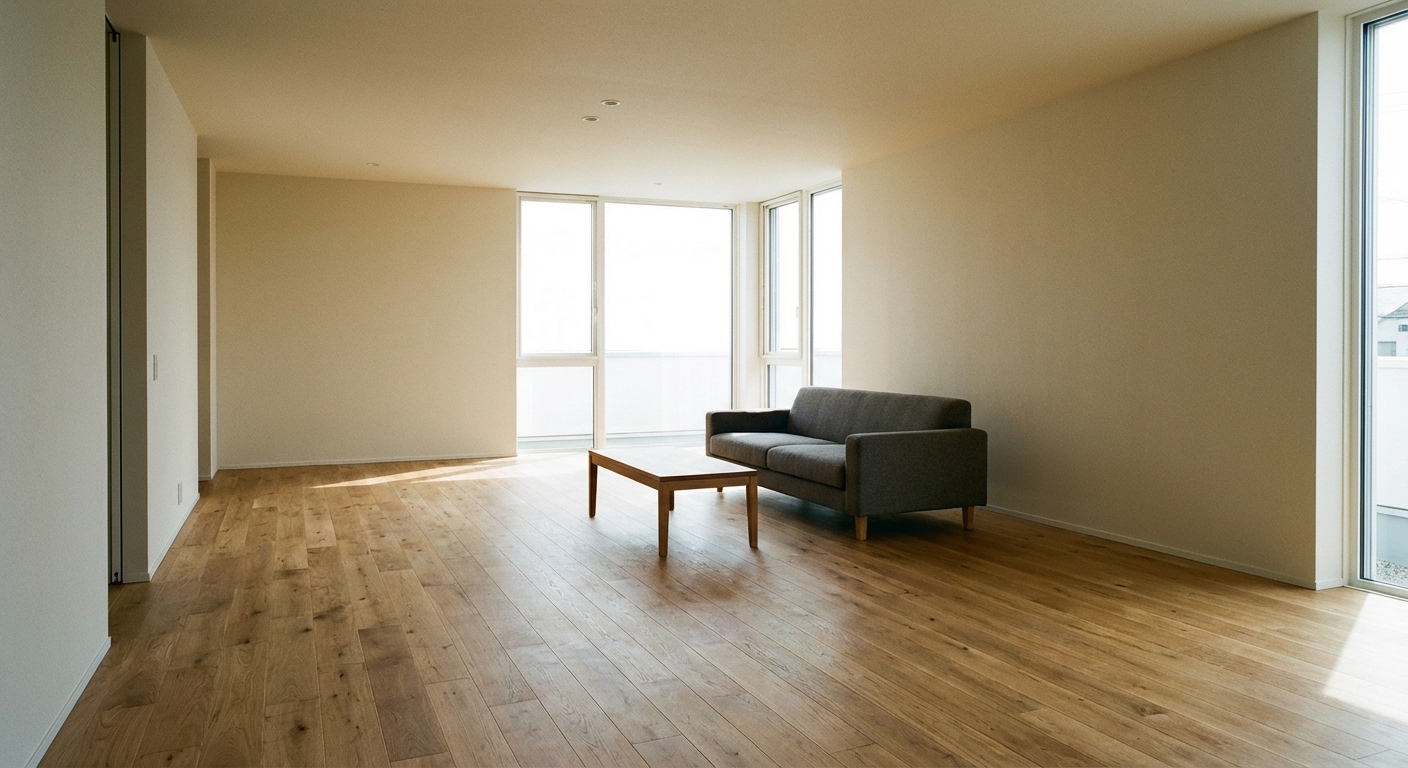
Upload your room photo in the app to see your real transformation
Color Palette
Click any color to copy hex code
Why It Works
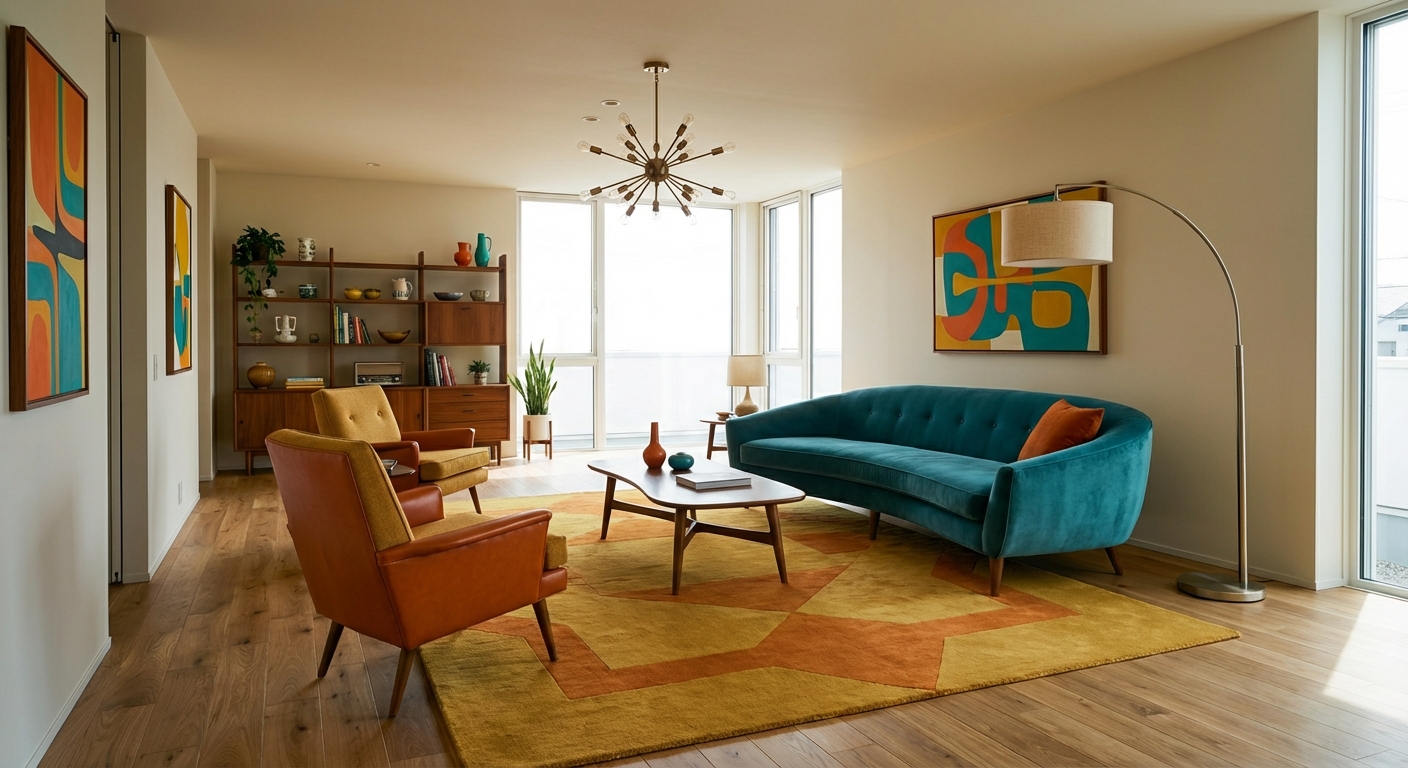
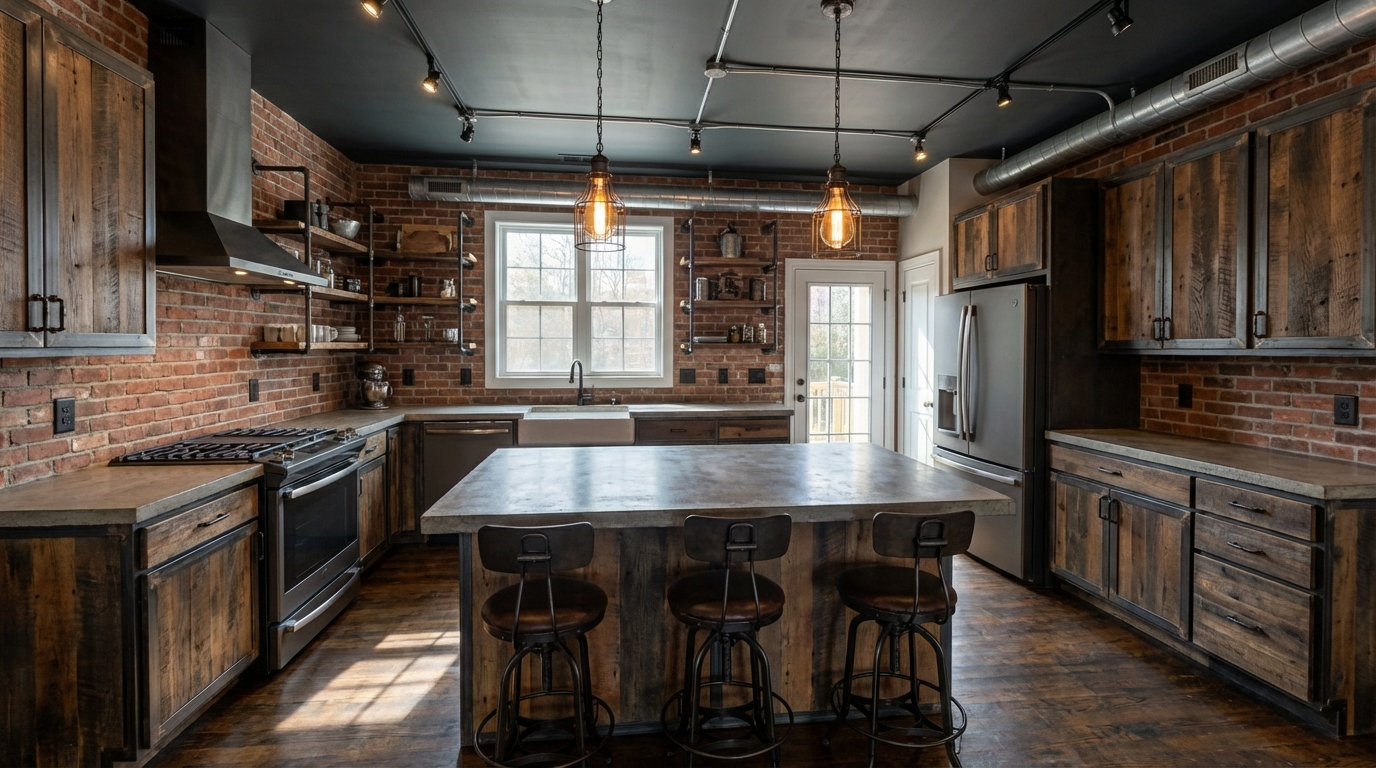
Industrial design celebrates the raw, unfinished aesthetic of factories and warehouses — exposed brick, concrete, steel, and ductwork define the palette. It is intentionally rough and masculine. Mid-century modern celebrates the optimistic design movement of the 1950s-1970s — organic curves, warm woods, and bold colors define spaces that feel playful and sophisticated. Industrial rooms feel like converted lofts; mid-century rooms feel like a Mad Men set. The material palettes are the clearest differentiator: industrial uses steel and concrete; mid-century uses walnut and teak.
How to Achieve This Look
- 1
Decide if you want to show the bones of the space or hide them
- 2
Industrial: expose brick, pipes, and ductwork
- 3
Modern: conceal everything behind smooth surfaces
- 4
Industrial: use reclaimed and vintage materials
- 5
Modern: use new, sleek, and refined materials
- 6
Both: appreciate clean geometry and functional design
Industrial celebrates imperfection and history; modern conceals mechanics behind clean surfaces.
Intero AI lets you preview both industrial and mid-century modern transformations of your room. See how exposed brick compares to walnut paneling, or how a leather sofa versus a teal velvet sofa changes the entire mood of your space.
"Saved thousands on interior design fees. The AI suggestions were spot-on."
— James R.
Frequently Asked Questions
Q1 Can I mix industrial and mid-century elements?
Yes — the combination of industrial raw materials with mid-century furniture creates a popular "industrial modern" hybrid. Use industrial architecture (brick, concrete) as the backdrop and furnish with mid-century pieces for warmth and personality.
Q2 Which is warmer — industrial or mid-century?
Mid-century modern is significantly warmer due to its extensive use of warm wood tones, colorful upholstery, and organic shapes. Industrial spaces require deliberate warming through textiles and wood accents.
Q3 Which requires less maintenance?
Industrial design is generally lower maintenance because its materials (concrete, steel, leather) age well and hide wear. Mid-century pieces, especially in walnut, require more careful treatment to maintain their finish.
Related searches
These are the next pages people usually open while narrowing this design direction.
Design Guides You'll Love
Ready to Transform Your Room?
Download Intero and see this design in your space in seconds.
No credit card. No signup. Just results.