How to Layer Textures So Your Room Feels Rich, Not Flat
Color gets all the attention, but texture is what makes a room feel finished. Layering different textures adds the depth and warmth that single-texture rooms lack.
$
See the Transformation
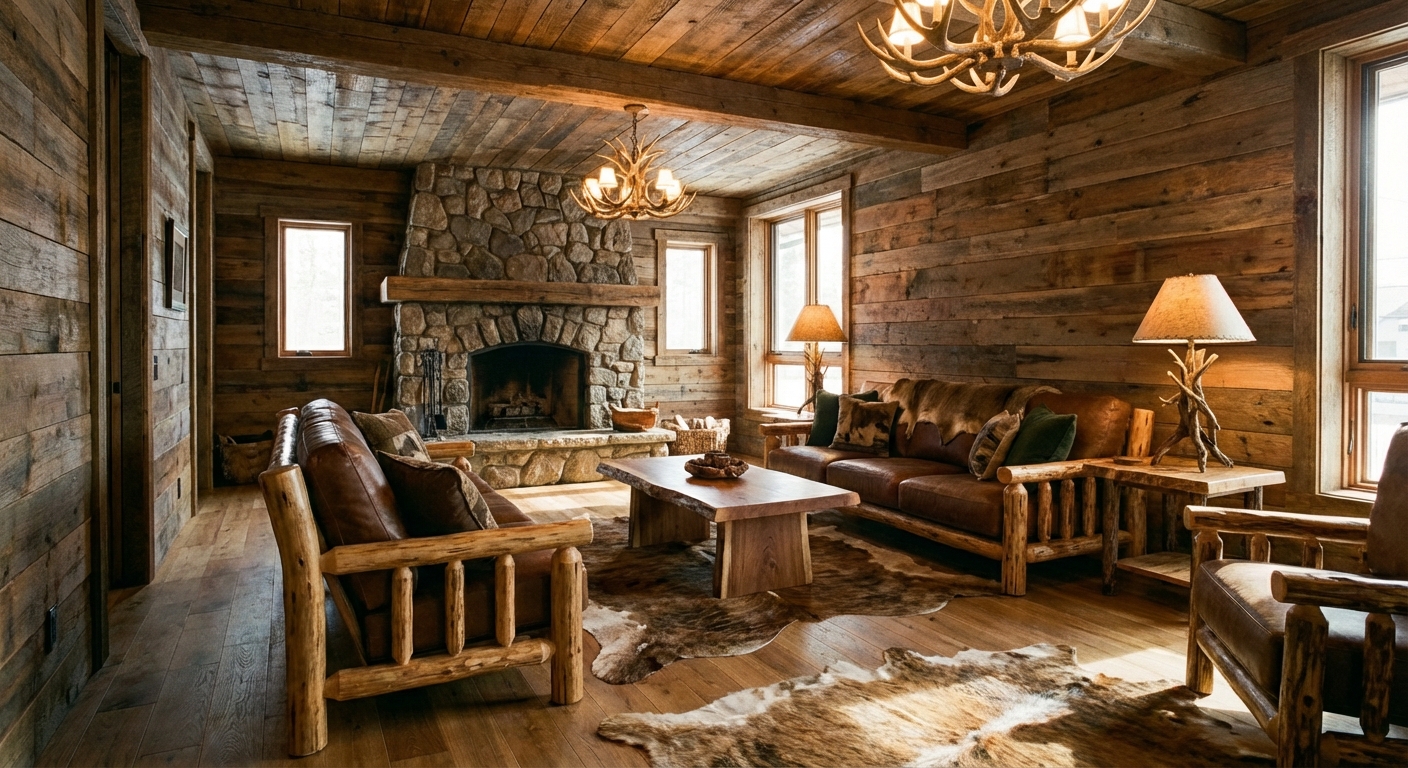
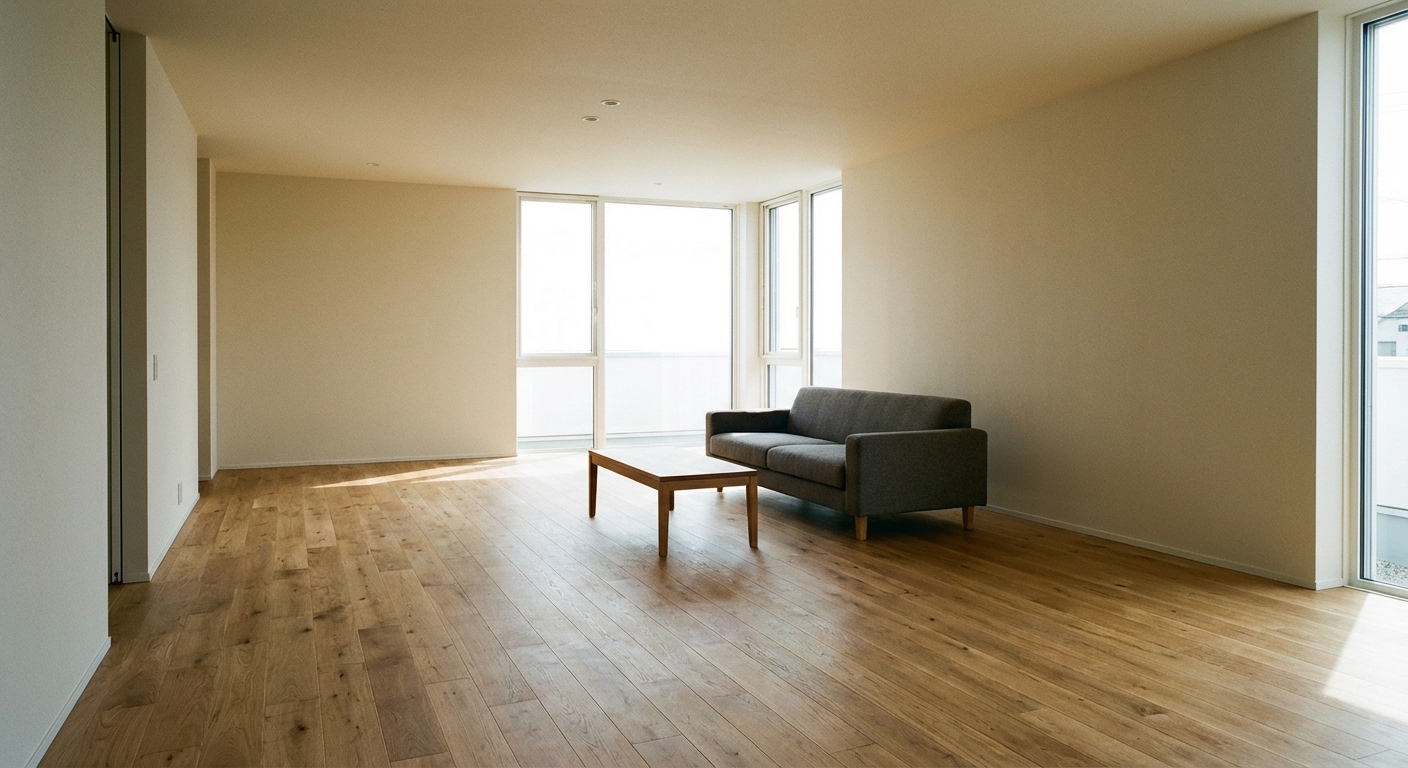
Upload your room photo in the app to see your real transformation
Color Palette
Why It Works
Texture creates visual and tactile variety that makes rooms feel complete. A room decorated entirely in smooth surfaces — leather, glass, lacquer — feels cold and sterile. A room with only soft textures — chenille, velvet, plush — feels heavy and suffocating. The magic happens in contrast: a rough linen pillow on a smooth leather sofa, a woven jute rug under a sleek glass table, or a chunky knit throw on crisp cotton sheets. These contrasts give the eye places to rest and shift, creating rhythm and interest even in monochromatic rooms.
How to Achieve This Look
- 1
Start with a smooth base — painted walls and a solid-color sofa
- 2
Add a chunky knit or woven throw for tactile contrast
- 3
Layer a textured rug — jute, wool, or shag — on the floor
- 4
Introduce natural materials — wood, stone, ceramic, or rattan
- 5
Mix fabric weights — linen curtains, velvet cushions, cotton bedding
- 6
Include one metallic or glass element for subtle sheen
In a neutral room, texture does all the work that color does in a bold room — aim for at least five different textures in every space.
Try It with AI
Layoutly AI helps you preview how different textures interact in your room. Upload a photo and test adding woven baskets, textured throws, or a jute rug to see how each layer adds depth — ensuring your texture mix feels balanced and intentional.
Frequently Asked Questions
How many textures should one room have?
Aim for at least four to five different textures — one in each category: smooth, rough, soft, and woven. This creates enough variety for visual interest. More than seven or eight can start to feel chaotic unless you are working within a very limited color palette.
What are the easiest textures to add to any room?
Throw pillows, blankets, and rugs are the easiest texture additions because they are affordable, removable, and come in endless varieties. A chunky knit throw, a linen pillow, and a jute rug can transform a flat room in minutes.
Can I use texture in a minimalist room?
Texture is essential in minimalist rooms. With fewer objects and a limited color palette, texture becomes the primary source of visual interest. A minimalist room with varied textures feels warm and rich; without texture, it feels sterile.
Ready to Transform Your Room?
Download Layoutly and see this design in your space in seconds.